Choosing the right cage for your dog can be challenging. Understanding "what size cage is best for my dog" is crucial for their comfort and safety. A snug fit is vital, but it shouldn't be too tight. A cage that is too large may make your dog feel insecure. A well-sized cage can also help with training.
Different situations demand different considerations. For instance, a crate for travel might differ from one you use at home. Size varies not just by breed but also by age and temperament. Puppies grow quickly, and their needs will change. Adult dogs may require more space, especially if they enjoy stretching out.
Take your time assessing your dog’s behavior and preferences. Each dog's personality is unique. Some dogs feel safe in smaller spaces while others prefer room to roam. Reflecting on these aspects will help in your decision. A well-chosen cage promotes a happy and secure environment for your furry friend.
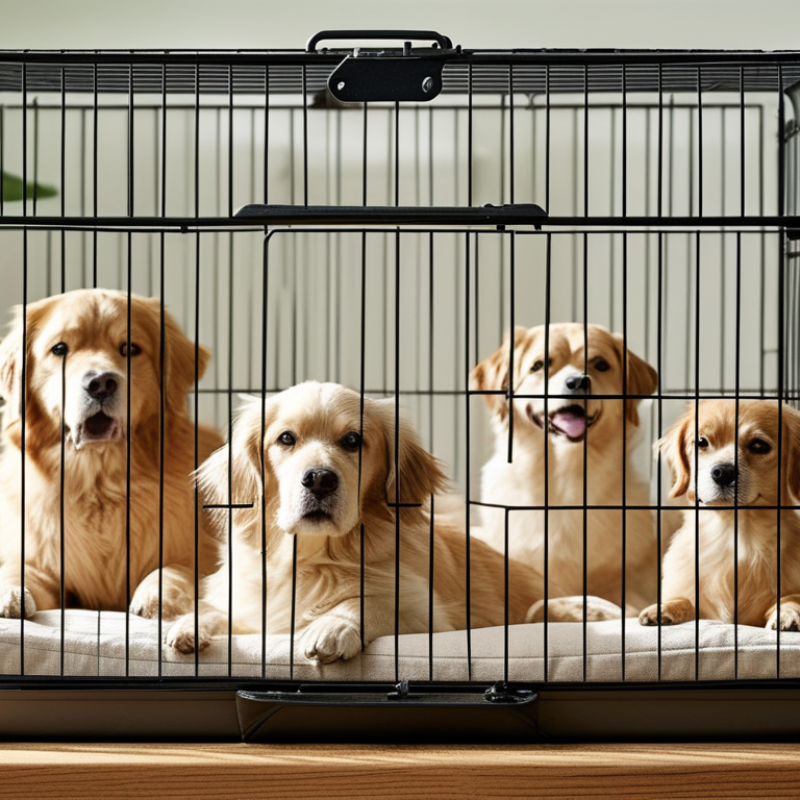
Choosing the right cage size is crucial for your dog's well-being. Different breeds and weights require different dimensions. A cage that’s too small will restrict your dog’s movement. On the other hand, a cage that’s too large may cause anxiety and stress. It’s essential to measure your dog while they are standing and lying down.
For small breeds, a crate around 24 to 30 inches is ideal. Medium breeds often need 30 to 36 inches. Larger dogs usually fit well in cages that are 36 to 54 inches long. Keep in mind that these are general guidelines. Each dog is unique, and factors like age and activity level also play a role.
It can be overwhelming to find the right size. Sometimes, you might purchase a cage, only to realize it doesn’t fit your dog well. Observe your dog in the crate. If they seem uncomfortable or restless, it may be time to reassess the size. Reflecting on your dog’s needs can guide you in choosing a suitable cage for them.
Choosing the right cage size for your dog can be challenging. Understanding their behavior is key. A small crate may feel secure to some dogs. Others may see it as a prison. Observe how your dog reacts in different spaces.
Size isn’t just about physical dimensions. It’s about comfort and safety. A nervous dog may need extra room to move around. If they can’t stand up, they may feel trapped. Consider their age, breed, and personality when selecting a cage.
A well-fitted crate allows for sleeping and stretching. Your dog should feel relaxed, not stressed. If they whine or bark, rethink your choice. It's important to adapt to their needs, even if it means trying different sizes. Balance their instincts with your own requirements for a safe space.
| Dog Size | Recommended Cage Size (Length x Width x Height) | Ideal Situations | Behavioral Considerations |
|---|---|---|---|
| Small Dogs (up to 20 lbs) | 24" x 18" x 21" | Travel, Home Crating | Usually calmer, may enjoy a snug fit. |
| Medium Dogs (20-50 lbs) | 30" x 24" x 30" | Training, Short-Term Housing | May require more space for comfort. |
| Large Dogs (50-80 lbs) | 36" x 24" x 30" | Home Use, Relaxation | Need room to stand up and turn around. |
| Giant Dogs (over 80 lbs) | 42" x 30" x 34" | Housing, Travel | Requires ample space to feel secure. |
Choosing the right cage size for your dog can be challenging. Understanding your dog's life stage is crucial. Puppies, adults, and senior dogs have different space needs. A puppy needs a smaller cage for security but should have space to grow. Consider using dividers. This keeps an energetic puppy calm.
Adult dogs require more space to move around comfortably. A spacious area allows for relaxation and play. Their cage should accommodate their body size. Measure your dog when selecting a cage. This ensures they can lie down, stand, and turn around comfortably.
Senior dogs often benefit from a cozy environment. They may have less energy and need a more secure space. However, their mobility could be affected by age. Ensure the cage is easily accessible. A comfortable bed or mat can make the space inviting. Reflect on your dog's changing needs over time. Adjustments may be necessary to keep them happy and safe.
When choosing the right cage size for your dog, it’s essential to consider their activity level. A highly active dog may require a larger space. According to the American Kennel Club, dogs need room to stand, turn around, and lie down comfortably. For breeds weighing 50 to 70 pounds, a cage size of approximately 36 inches is recommended. However, this can vary based on your dog's unique behaviors and habits.
Comfort is equally critical. A cramped space can lead to stress and anxiety. The Pet Poison Helpline states that inadequate space can increase a dog's chance of developing behavioral issues. Ideally, dogs should feel secure without being restricted. A choice of bedding can also enhance their comfort level. Soft, supportive bedding can encourage dogs to use the cage as a relaxing retreat.
Safety should never be compromised. A cage that is too large may increase the risk of injury. Dogs may attempt to jump or climb, leading to potential falls. On the other hand, a cage that is too small can cause injuries from constant movement. Observing your pet's behavior can inform important adjustments that create a safer environment. Regular evaluations can help ensure the cage size continues to meet their evolving needs.
When choosing a cage for your dog, understanding the differences between crates, kennels, and cages is crucial. Crates are often made for training and provide a safe space. They control anxiety and help with housebreaking. According to the American Kennel Club, 75% of dog owners report that training with a crate leads to better behavior.
Kennels, on the other hand, are ideal for outdoor use. These structures offer more room and ventilation. However, they may expose dogs to weather extremes. A report from the American Humane Society states that dogs should only stay in kennels for a few hours at a time to avoid stress and discomfort.
Cages, typically used for small pets, are less suitable for larger dogs. They might feel confined or uncomfortable. Consider the space your dog requires. The general rule is choosing a size that allows your dog to stand, turn, and lie down comfortably.
Tips: Measure your dog before selecting a size. Ensure there’s enough room for growth if your dog is still a puppy. Always supervise your pet when they're in any enclosure.
In conclusion, picking the right option involves weighing the pros and cons carefully. Reflect on how your dog behaves in confined spaces. Each choice has its use but requires careful consideration of your pet's needs.
: Consider your dog's comfort, age, breed, and behavior. Their reaction to different spaces is important.
Puppies need smaller cages for security. Adults require more space. Senior dogs may need cozy, accessible environments.
Crates provide a safe space and help control anxiety. They can assist with housebreaking and improving behavior.
Supervision prevents accidents and ensures they feel safe. It helps you monitor their behavior and comfort level.
Yes, if a dog can't stand or turn, they may feel confined. Choosing the right size is essential for their well-being.
Kennels offer more room and ventilation for outdoor use. They allow for better movement but require careful monitoring.
Use dividers to adjust space as they grow. This keeps them calm while providing room to stretch.
It may indicate discomfort. Reflect on their needs and consider adjusting the size or environment.
Cages are typically for small pets. Larger dogs may feel confined, so choosing an appropriate size is crucial.
Add a comfortable bed or mat. Creating a cozy environment can help your dog feel more secure.
Choosing the right cage size for your dog is crucial for their comfort and safety. In the article "What Size Cage is Best for My Dog in Every Situation?", we explore how to determine the appropriate size based on your dog's breed and weight. Understanding dog behavior is key, as different dogs have unique needs that impact their cage size selection.
Moreover, the article discusses cage sizes tailored to different life stages, including puppies, adults, and senior dogs, emphasizing that their needs evolve over time. Factors such as activity level, comfort, and safety must also be considered when selecting a cage. Additionally, we weigh the pros and cons of crates, kennels, and cages to help you make an informed decision. By addressing these aspects, you can effectively answer the question of what size cage is best for my dog.

Brisk Pet