Why Do Pets Stress in Confinement Spaces and How to Help?

Time:2026-10-03 Author:Sienna
0%

Pets can feel trapped when a crate, carrier, kennel, or recovery pen removes familiar choices. A closed door may seem harmless to us. For a dog, it can mean lost movement, unfamiliar sounds, or separation from its person. For a cat, it may mean strange smells, limited hiding options, and constant exposure.

Animal behavior expert Temple Grandin has said, “I think using the animal’s point of view is very important.” That principle guides how to reduce stress in pet confinement spaces. Observe before changing anything. Look for pacing, panting, trembling, excessive vocalizing, drooling, scratching, or sudden withdrawal. These signs may reflect fear, discomfort, pain, or a medical problem. A veterinarian should assess persistent or severe symptoms.

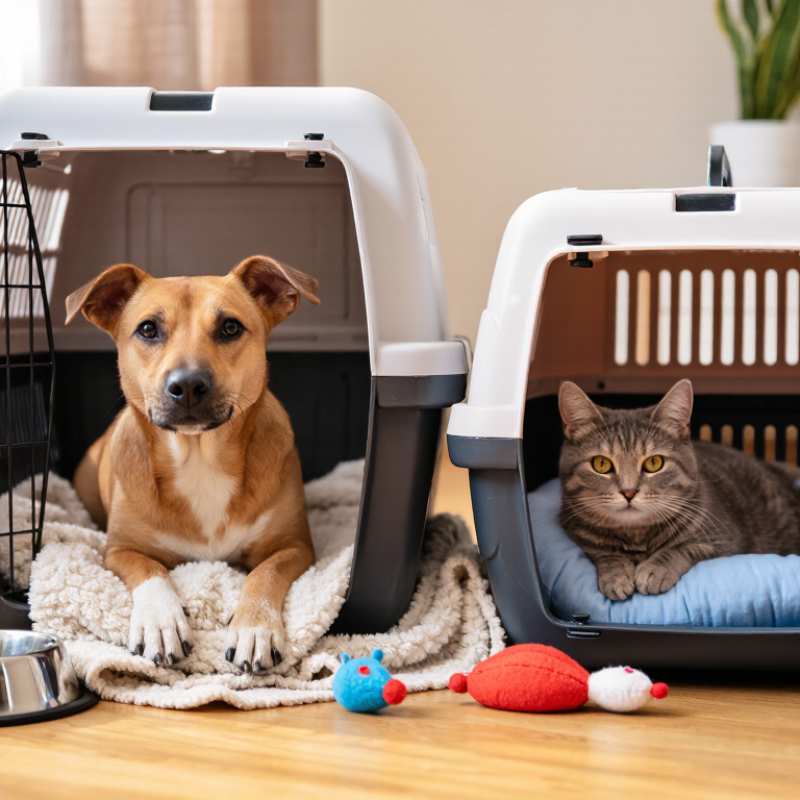
A calmer space often starts with simple details. Add familiar bedding, a safe toy, and a water bowl that cannot tip easily. Keep the area away from loud appliances, busy walkways, and direct heat. Covering part of a carrier may help some pets, but others become more anxious without visual access. Watch carefully.

Short practice sessions can build confidence. Leave the door open, reward voluntary entry, and increase time slowly. Never force a frightened animal inside as training. That can damage trust.

No checklist works perfectly. We may misread a quiet pet as a relaxed pet. Some animals hide distress remarkably well. This guide therefore combines observation, gradual training, environmental changes, and professional advice. The goal is not simply confinement. It is creating a space where the pet can rest, breathe normally, and retain a sense of safety.
Why Do Pets Stress in Confinement Spaces and How to Help?

What Confinement Stress Means in Pets

Confinement stress means a pet’s body and mind struggle when movement, choice, or escape feels limited. A crate, carrier, small room, or recovery pen can become stressful, even when it protects the animal. Common signs include pacing, repeated vocalizing, panting, drooling, trembling, hiding, or refusing food. Some pets become unusually still. That silence can be stress, not calm.

The cause is not always the space itself. Sudden confinement, unfamiliar smells, loud sounds, pain, or previous fear can intensify the response. A dog may scratch at a crate door, while a cat may crouch low with wide pupils. Young animals often need gradual practice. Older pets may struggle because of pain, poor vision, or cognitive changes. I once underestimated how quickly a quiet room could unsettle a nervous animal. That mistake changed my approach.

Help should begin before confinement becomes necessary. Leave the carrier or pen open, add familiar bedding, and reward brief voluntary visits. Increase time slowly, while watching breathing, posture, appetite, and recovery after release. Never force a frightened pet inside as a training shortcut. Provide water, safe ventilation, comfortable temperature, and regular toilet breaks. If distress remains intense, worsens, or appears suddenly, contact a veterinarian. A behavior professional may also help identify pain, illness, or learned fear. Progress may look uneven. That is normal.

Why Pets Become Anxious in Small or Restricted Spaces

Why Do Pets Stress in Confinement Spaces and How to Help?

Small spaces do not automatically frighten pets. Anxiety often develops when an animal cannot escape, hide, or control what happens next. A closed crate, carrier, bathroom, or narrow travel area may feel threatening when paired with loud sounds, isolation, or previous punishment. Not every pet panics. Some even sleep better in enclosed spaces.

Research shows how common anxiety can be. A Scientific Reports study of 13,700 Finnish dogs found that 72.5% showed at least one anxiety-related trait. The study was not limited to confinement, but it highlights widespread emotional sensitivity in dogs. Veterinary behavior professionals also warn that cats may freeze, crouch, vocalize, or overgroom when their environment feels restrictive. Watch the pattern, not one incident.

Help should begin before distress appears. Leave the door open and place familiar bedding inside. Reward brief, voluntary visits with food or calm praise. Increase the time slowly. If panting, drooling, scratching, or frantic escape attempts begin, reduce the duration immediately. A quiet room, steady airflow, and fewer sudden movements can lower pressure. Never force a struggling animal into a confined space.

The evidence is not perfect. Individual history matters more than a generic training schedule. I would also avoid assuming silence means comfort; some pets become motionless when frightened. Persistent fear deserves assessment by a veterinarian or qualified behavior professional, especially when appetite, sleep, or toileting changes. Keep it boring. Make confinement predictable.

Common Signs of Confinement-Related Stress

Common Signs of Confinement-Related Stress

Confinement stress can appear before obvious panic. A dog may pace repeatedly, pant in a cool room, whine, scratch doors, or stare at the exit. A cat may hide, flatten its ears, lick its lips, freeze, or stop eating. These signs can occur in crates, carriers, kennels, small rooms, or during transport. Merck Veterinary Manual identifies altered appetite, vocalisation, elimination changes, and repetitive behaviour as important stress indicators. Not every yawn means fear. Context matters.

Industry data shows how many animals may face these situations. The American Pet Products Association’s 2023–2024 National Pet Owners Survey estimates that 66% of U.S. households own a pet. Even brief confinement can therefore affect millions of animals. A 2022 review in Frontiers in Veterinary Science also links predictable routines, hiding options, and environmental enrichment with better welfare. However, enrichment is not a cure for every case. Pain, illness, and separation-related anxiety can look similar.

Tips: Observe breathing, posture, appetite, and recovery time. Record a short video when safe. Provide fresh water, soft bedding, ventilation, and a familiar-smelling item. Keep sessions brief, then increase time gradually. Never force a fearful animal into a smaller space. Speak calmly. If stress continues, causes injury, or includes repeated vomiting or refusal to eat, contact a qualified veterinarian. My own caution is simple: quiet behaviour is not always calm behaviour. A motionless cat may be coping, not relaxing.

Why Do Pets Stress in Confinement Spaces and How to Help? - Common Signs of Confinement-Related Stress

Stress indicator What you may observe Possible reason in a confined space Helpful first response When to contact a veterinarian
Pacing or repetitive movement Walking back and forth, circling, or repeatedly checking the enclosure, crate, or door. Limited movement, lack of control, boredom, or an attempt to find an exit. Increase safe space where possible, provide supervised movement, and keep a predictable routine. If the behavior is sudden, intense, persistent, or accompanied by injury or breathing difficulty.
Excessive vocalization Whining, barking, meowing, growling, squeaking, or repeated distress calls. Fear, frustration, separation distress, discomfort, or inability to escape an unwanted situation. Reduce noise and visual triggers, remain calm, and reward quiet relaxation rather than punishing vocalization. If vocalization is accompanied by signs of pain, confusion, collapse, or a major change from normal behavior.
Panting or rapid breathing Fast breathing, heavy panting, repeated swallowing, or visible chest movement when the pet is not exercising. Anxiety, overheating, poor ventilation, pain, or excessive arousal. Check temperature and airflow, move the pet to a quiet area, and avoid physical restraint unless necessary for safety. Urgently seek veterinary help for labored breathing, blue or pale gums, weakness, collapse, or overheating.
Trembling or shaking Visible shaking, tense muscles, crouching, or a lowered body posture. Fear, cold, pain, sensory overload, or a perceived lack of escape. Provide warmth if appropriate, reduce stimulation, and allow the pet to choose distance from people. If shaking is severe, prolonged, associated with seizures, weakness, pain, or possible toxin exposure.
Hiding or freezing Remaining motionless, retreating to a corner, avoiding eye contact, or refusing to come out. Fear, unfamiliar surroundings, excessive handling, or lack of a secure retreat. Provide a covered resting area, limit handling, and use calm, slow movements. If the pet remains withdrawn, stops eating or drinking, or shows reduced responsiveness.
Escape attempts or destructive behavior Scratching, chewing bars or doors, digging, pushing against barriers, or trying to climb out. Frustration, fear, excess energy, insufficient space, or an urgent need to eliminate. Remove hazards, check toilet access, provide safe enrichment, and enlarge or modify the space when practical. If the pet is injuring teeth, claws, paws, nose, or body, or cannot be safely contained.
Lip licking, drooling, or yawning Repeated lip licking, yawning outside normal sleep times, salivation, or frequent swallowing. Anxiety or nausea; these signs can also occur with pain, dental problems, or illness. Reduce stressors and observe whether the signs stop when the pet is calm and unrestricted. Contact a veterinarian if drooling is heavy or persistent, or if vomiting, choking, pain, or appetite loss occurs.
Changes in appetite or drinking Refusing food, eating unusually fast, drinking much more or less, or ignoring familiar treats. Stress can suppress appetite or alter normal eating patterns; illness must also be considered. Offer familiar food and fresh water in a quiet location without forcing the pet to eat. Seek advice for prolonged refusal, repeated vomiting, marked thirst changes, or signs of dehydration.
Toileting accidents or digestive upset Urinating or defecating unexpectedly, diarrhea, constipation, or repeated attempts to eliminate. Stress, disrupted routine, insufficient toilet access, or an underlying medical problem. Provide regular toilet breaks, keep the area clean, and avoid punishment. Contact a veterinarian for blood, straining, repeated diarrhea, inability to urinate, or ongoing symptoms.
Aggression or defensive behavior Growling, hissing, snapping, biting, lunging, stiff posture, or guarding the confined area. Fear, pain, inability to retreat, resource guarding, or excessive handling. Stop the interaction, create distance, remove children from the area, and never punish warning signals. Seek professional veterinary and behavior support after any bite or sudden personality change.

Important: Stress signs can overlap with pain, illness, heat exposure, or injury. A sudden, severe, or persistent change in behavior should be assessed by a qualified veterinarian.

How to Make Restricted Spaces Feel Safer

Restricted spaces can feel threatening when pets lose control over distance, movement, light, or sound. Dogs may pace, pant, whine, or scratch. Cats may crouch, hide, or stop eating. PDSA’s 2024 Animal Wellbeing Report estimates that 2.4 million UK dogs show separation-related behaviours. Confinement can intensify similar distress, especially when introduced suddenly.

Make the space predictable, not merely smaller. Place a familiar blanket inside, then leave the door open. Let your pet investigate without pressure. Feed treats near the entrance, not at the far end. Increase distance gradually. A quiet corner works better than a busy hallway. Keep ventilation comfortable, and remove collars or loose items that could catch. Never use the space as punishment. Short practice sessions matter.

Observe breathing, posture, appetite, and recovery time. A relaxed pet may blink slowly, loosen its body, or settle on one side. Persistent panting, drooling, frantic escape attempts, or refusal to eat needs professional attention. The American Veterinary Medical Association emphasizes gradual behavior change and veterinary assessment for anxiety-related signs. I would not assume every pet eventually “gets used to it.” Some need slower steps, more enrichment, or a different setup. Keep a simple diary. Note the duration, trigger, and behavior after release. If distress continues, consult a veterinarian or qualified behavior professional.

When Professional Veterinary Help Is Needed

Why Do Pets Stress in Confinement Spaces and How to Help?

When Professional Veterinary Help Is Needed

Confinement stress can appear as frantic scratching, constant panting, drooling, hiding, or repeated escape attempts. A small room may feel safe to one pet and threatening to another. Pain can make that reaction worse. A 2016 peer-reviewed study of 906 dogs found fear-related behavior in about 78% of dogs visiting veterinary clinics. This figure reminds owners that distress is common, not disobedience.

Professional veterinary help is needed when signs are intense, persistent, or physically risky. Contact a veterinarian if your pet injures its mouth, stops eating, vomits repeatedly, struggles to breathe, collapses, or remains panicked after release. Sudden confinement fear also deserves attention, especially in older animals. The AVMA’s 2022 Pet Ownership and Demographics Sourcebook identifies routine veterinary care as a key part of responsible pet management, yet many owners wait until symptoms become severe.

A veterinarian can check for pain, illness, breathing problems, or medication effects. They may recommend gradual behavior training or referral to a qualified veterinary behavior professional. Never use human sedatives without veterinary direction. Reduce triggers first: provide ventilation, familiar bedding, dim lighting, and short practice sessions. Keep a simple log of panting, appetite, stool, and recovery time. Owners often misread quietness as calmness. It may be shutdown instead. A phone video can help the veterinarian assess what happens when no professional is present.

FAQS

What is confinement stress in pets?

It occurs when limited movement or choice makes a pet feel trapped. A crate, carrier, or small room may trigger it. The space can still be protective.

What signs may show confinement stress?

Watch for pacing, panting, drooling, trembling, scratching, hiding, or repeated vocalizing. Some pets refuse food. Others become unusually still. Silence can mislead.

Can a quiet pet still be stressed?

Yes. A motionless cat may be coping rather than relaxing. Look for flattened ears, wide pupils, tense posture, or slow recovery after release.

Why might confinement suddenly become frightening?

Sudden confinement, loud sounds, unfamiliar smells, pain, or earlier fear can intensify the response. Older pets may struggle with pain or poor vision.

How can I prepare a pet for confinement?

Leave the carrier or pen open. Add familiar bedding and a safe-smelling item. Reward brief voluntary visits. Increase the time slowly.

Should I force a frightened pet inside?

No. Forcing can strengthen fear and make future handling harder. Pause the session. Use calm speech and allow the pet to recover.

What basic comfort should confinement provide?

Provide fresh water, safe ventilation, comfortable temperature, soft bedding, and regular toilet breaks. Check breathing and posture. Keep the space clean.

When should I seek professional help?

Contact a qualified veterinarian if distress is intense, sudden, or worsening. Seek help after injury, repeated vomiting, or refusal to eat. Pain or illness may be involved.

How can I judge whether training is working?

Observe appetite, breathing, body posture, and recovery after release. A short video can reveal patterns. Progress may be uneven. I once mistook quiet behavior for calm.

Conclusion

Confinement stress occurs when pets feel trapped, unable to move freely, or unable to escape unfamiliar sounds, people, or other animals. Small crates, carriers, kennels, recovery areas, and restricted rooms may trigger anxiety, especially if confinement is sudden or associated with punishment, travel, illness, or past frightening experiences. Common signs include whining, barking, pacing, trembling, panting, hiding, scratching, excessive licking, loss of appetite, or unusual aggression.

To understand how to reduce stress in pet confinement spaces, caregivers should introduce restricted areas gradually and pair them with calm interaction, comfortable bedding, familiar scents, safe toys, and appropriate rewards. The space should be clean, well-ventilated, and large enough for the pet to stand, turn, and rest comfortably. Regular exercise, predictable routines, quiet surroundings, and short practice sessions can also build confidence. Never force a distressed pet into confinement or leave one showing severe panic unattended. If anxiety persists, causes injury, affects eating or sleeping, or appears suddenly, consult a veterinarian to check for medical problems and develop a suitable behavior and care plan.

Sienna

Sienna

Sienna is a skilled marketing professional with a deep expertise in our company’s core products and services. With a passion for innovation and detail, she plays a pivotal role in crafting insightful blog posts that not only highlight the unique features of our offerings but also provide valuable......