In the world of pet care, ensuring the safety of our furry friends is paramount. A common concern among pet owners is how to stop pets from escaping cages. Renowned pet behaviorist Dr. Sarah Thompson emphasizes, "Understanding a pet's instincts is crucial to keeping them secure." This insight underlines the importance of addressing both physical and psychological needs.
Pets often escape their cages due to boredom, anxiety, or inadequate space. A well-structured environment can deter such behavior. Options like enriching their space or using toys can keep pets engaged. However, many pet owners overlook these simple yet effective solutions.
It’s essential to reflect on our approaches to pet containment. Some cages may need adjustments or upgrades. Ensuring your pet feels comfortable and safe can significantly reduce escape attempts. Not every pet is the same; therefore, patience and observation are key to finding the best strategies.
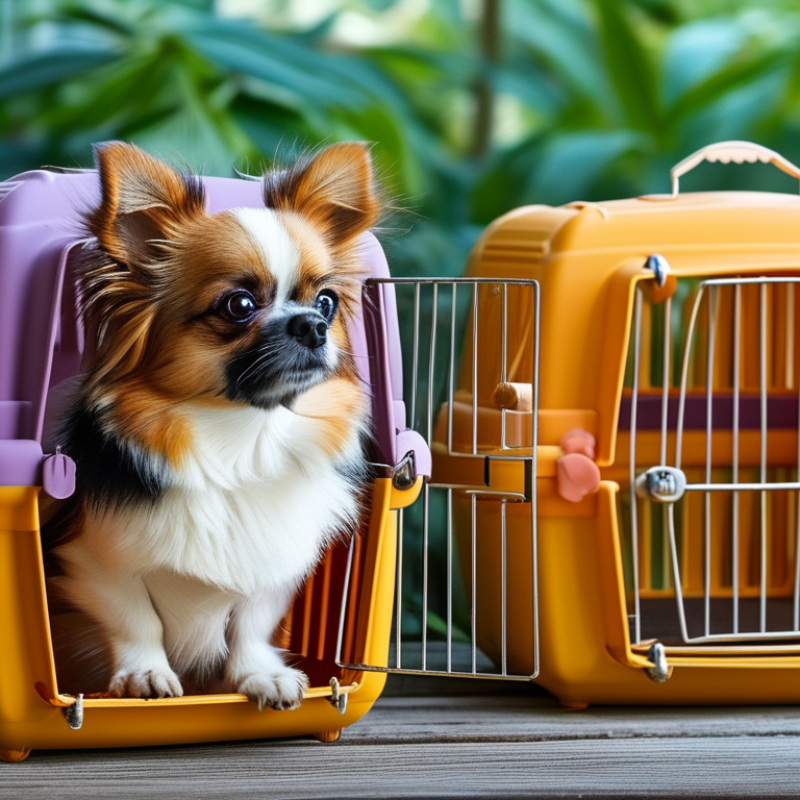
Understanding pet behavior is crucial for preventing escapes. Many pets have strong instincts that drive them to explore. Dogs and cats may feel confined in their cages, leading to anxious behavior. This anxiety often results in attempts to escape. Recognizing these signs can help caregivers create a safer environment.
Different animals have unique escape strategies. Dogs might use their strength to push against cages or jump over barriers. Cats often excel at climbing or squeezing through small openings. Observing your pet's escape attempts can offer insights into their motivations. Are they bored, anxious, or seeking attention? Engaging them with toys or regular exercise may reduce their urge to escape.
Creating a secure space involves understanding your pet's needs. Ensure the cage is comfortable and spacious. Provide enrichment to keep them mentally stimulated. Sometimes, despite all precautions, pets might escape. Reflecting on how your pet communicates its needs is vital. This might lead to better solutions that benefit both you and your furry friend.
| Behavior of Pet | Common Escape Reasons | Effective Solutions | Prevention Tips |
|---|---|---|---|
| Dogs | Boredom, anxiety, seeking attention | Provide toys and treats, use behavioral training | Regular exercise, crate training, safe spaces |
| Cats | Curiosity, territorial behavior, stress | Enrich environment with climbing spaces, secure windows | Provide vertical spaces, interactive toys, calming aids |
| Rabbits | Exploration, boredom, fear | Create a spacious, secure area, use barriers | Social interaction, safe toys, suitable diet |
| Guinea Pigs | Stress, lack of stimulation, loud noises | Calm environment, provide hiding spots | Routine handling, companionship, proper housing |
Choosing the right cage for your pet's size and needs is crucial. A cage should provide both security and comfort. If the cage is too small, your pet may feel cramped and stressed. For example, a large dog shouldn't be confined to a small crate. Consider the dimensions of your pet. Measure their height and length to ensure a proper fit.
The material of the cage also matters. Metal cages usually offer strength, while plastic ones may be more comfortable. Each pet has different preferences. Some pets like visibility, while others prefer to hide. This balance is essential for their mental well-being. A cage with proper ventilation is important. Lack of airflow can lead to discomfort.
Proper bedding is another consideration. Soft bedding can help your pet feel more at home. If they seem to escape often, observe their behavior. They may just be seeking more space or stimulation. Reflect on their needs and adjust accordingly. A suitable cage can significantly reduce the chance of escape. Finding the right options takes time and effort, but it’s worth it.
Implementing effective locking mechanisms on pet cages is crucial for preventing escapes. According to a study by the American Pet Products Association, approximately 15% of pet owners reported that their pets have escaped at least once. This indicates a significant concern for many owners. Simple mechanisms often fall short, leading to incidents that can be stressful for both pets and their guardians.
[Image]
One robust solution is the use of dual locks. These locks require two distinct actions to open, making it harder for clever pets to escape. A survey published in the Journal of Animal Behavior revealed that 70% of escapes occurred due to inadequate locking systems. This statistic highlights the urgency of choosing the right cage features. Additionally, incorporating locking mechanisms made from durable materials can deter pets from using force to break free.
Regularly inspecting locking mechanisms is essential for long-term reliability. Pets can exert surprising strength, and wear can compromise integrity. A small crack or rust can lead to failure. Maintaining the cage's structure ensures that the locking mechanism remains effective. Remember that a pet's safety is paramount. Trying different types of locks can be a trial-and-error process. What works for one pet may not work for another. Being proactive and observant can substantially reduce the risk of escapes.
Cage enrichment is key to keeping pets engaged and reducing escape attempts. When animals feel bored or stressed, they are more likely to seek a way out. Simple changes can make a difference. Adding toys, tunnels, or climbing structures can transform a cage into a stimulating environment. Rotate the toys regularly to maintain interest. Having a variety of textures and scents can also keep pets curious and occupied.
Visual and auditory stimulation can play a crucial role as well. A small window or a mirror can provide visual enrichment. Soft background noise, like calming music, helps diminish anxiety. It is essential to observe how your pet interacts with these elements. Sometimes, what works for one pet might not work for another, so balance is necessary.
Remember to assess the safety of the cage setup. Animals can be clever; they may find ways to dismantle unsecure parts. Regular checks on the cage’s integrity can prevent escape attempts from escalating. Each pet is unique, and understanding their specific needs is vital in creating a safe and enriching space. This realization can lead to necessary changes in your approach. Explore and reflect on what enrichment means for your pet's happiness and safety.
Training pets to discourage escaping behavior requires consistent techniques and an understanding of their motivations. Research shows that 30% of pet owners report their animals trying to escape their enclosures. This highlights the need for effective strategies. One way to prevent this behavior is through positive reinforcement. Rewarding pets for staying calm inside their cages can strengthen desired behaviors. Treats, praise, or playtime work well as incentives.
Creating a secure space is also vital. Check for any gaps or weak points in the cage structure. Many animals have a strong instinct to explore. According to the American Society for the Prevention of Cruelty to Animals, nearly 15% of lost pets are due to escaping from home or enclosures. This statistic indicates a need for better preventive measures. Adding enrichment items, like toys or hiding spots, can significantly reduce anxiety. When pets feel entertained, they are less likely to attempt an escape.
It's essential to monitor your pet's behavior and adjust training accordingly. If your pet continues to escape, consider whether their needs are being met. Is the cage too small? Are they getting enough exercise? Reflecting on these questions can lead to better solutions. Understanding individual personalities is crucial for effective training. Some pets might need more patience than others. Recognizing this can make the training process smoother.
: Measure your pet's height and length. Ensure the cage is big enough for comfort.
Metal cages are strong. Plastic cages can offer more comfort. Consider your pet’s preferences.
Good airflow prevents discomfort. Lack of ventilation can stress your pet.
Soft bedding makes pets feel at home. Observe if they enjoy their space.
Check the cage for weak points. Consider if their needs for space or stimulation are met.
Rewarding calm behavior encourages pets to stay inside their cages. Use treats or praise.
Enrichment activities like toys reduce anxiety. Bored pets may attempt to escape.
If they seem cramped or stressed, it may be too small. Consider their comfort levels.
Monitor your pet’s behavior regularly. Adjust based on their needs and progress.
No, each pet has unique personalities. Some may need more time and patience than others.
In addressing the question of how to stop pets from escaping cages effectively, it is crucial to first understand the natural behaviors and instincts of pets that drive them to escape. Each pet has unique needs based on its size and temperament, making it essential to choose the right cage that offers adequate space and comfort. Moreover, implementing robust locking mechanisms can significantly deter escape attempts, ensuring that your pet remains securely contained.
To further minimize the likelihood of escapes, enhancing cage enrichment is vital. Providing toys, climbing structures, and interactive elements can keep pets engaged and reduce boredom. Additionally, employing training techniques that reinforce positive behaviors can discourage escape tendencies. By combining these strategies, pet owners can create a safe environment that effectively prevents pets from escaping their cages.

Brisk Pet