Choosing a suitable cage affects animal safety, cleaning time, airflow, and daily handling. This article examines the question, “are wire cages better than plastic cages,” through practical and professional considerations. It focuses on cage construction, ventilation, durability, comfort, maintenance, and suitability for different animals.
Dr. Temple Grandin, an internationally recognized animal-behavior and facility-design expert, has said, “The most important thing in designing animal facilities is to understand how animals think.” Her principle matters here. A wire cage may provide strong airflow and clear visibility, while a plastic cage can offer warmth, privacy, and easier protection from drafts. Neither option wins every time. The best choice depends on the animal’s size, behavior, climate, and enclosure design.
A reliable comparison must examine real use, not only product photographs. Check welds, door latches, floor spacing, plastic thickness, and ventilation openings. Run a hand across every edge. Small defects can become painful problems. Observe whether waste falls away from the animal or collects beneath its feet. Also consider cleaning routines, replacement parts, transport needs, and long-term cost. A cage that looks inexpensive may require frequent repairs. However, a heavier cage is not automatically safer or better.
This China-focused guide reviews ten leading wire-cage options and compares them with practical plastic alternatives. It does not pretend that one material suits every home or facility. Some conclusions may change after hands-on testing, especially in humid environments. That uncertainty deserves attention. Good cage selection requires evidence, careful observation, and a willingness to reconsider first impressions.
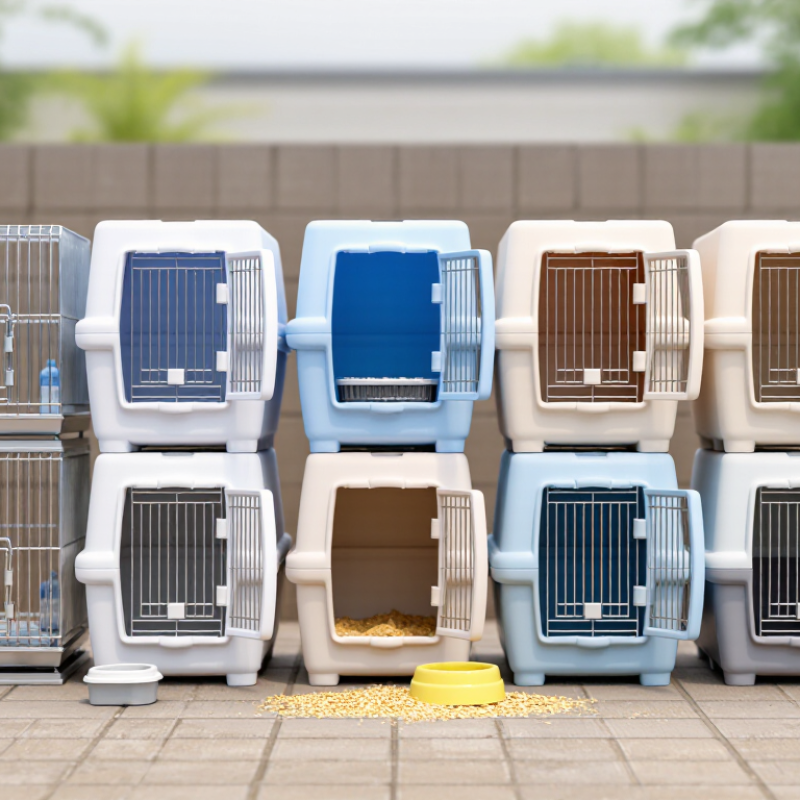
China’s Top 10 Criteria for Comparing Wire and Plastic Cages
Are wire cages better than plastic cages? The answer depends on the working environment, animal needs, and purchasing priorities. A practical comparison should examine ten criteria: load strength, ventilation, visibility, hygiene, corrosion resistance, temperature control, noise, weight, repairability, and total cost. Details matter.
Wire cages usually provide stronger airflow and clear visibility. They can also dry quickly after cleaning. However, exposed metal may rust in humid areas, especially when coating quality is inconsistent. Sharp edges are another concern. A careful inspection should check welds, joints, surface finishes, and door alignment.
Plastic cages often feel warmer and quieter. Their smooth surfaces can simplify routine cleaning, but poor ventilation may increase heat and moisture. Plastic can also become brittle under strong sunlight or low temperatures. Not always.
Reliable buyers should request material specifications, load-test records, cleaning instructions, and sample inspections. Measurements should include internal space, door clearance, drainage, and stacking stability. A cage that looks strong may flex under repeated use. That weakness is easy to miss.
Cost comparisons should include freight, assembly, maintenance, replacement parts, and expected service life. Wire may offer better long-term durability in dry facilities, while plastic may suit lighter, quieter applications. The best choice is not automatically the cheapest one. Actual site conditions should guide the decision.
| Comparison Criterion | Wire Cages | Plastic Cages | Typical Advantage |
|---|---|---|---|
| 1. Ventilation | Open construction provides continuous airflow on all sides and helps heat and humidity escape quickly. | Ventilation depends on the size and position of molded air holes. Poorly positioned openings can restrict cross-airflow. | |
| 2. Visibility and Monitoring | High visibility from multiple directions makes it easier to observe the animal and inspect bedding or equipment. | Solid panels offer less visibility, although transparent or ventilated sections can improve observation. | |
| 3. Hygiene and Cleaning | Metal surfaces are generally easy to wash, but joints, welds, trays, and mesh intersections can retain debris. | Smooth, non-porous surfaces are usually quick to wipe and disinfect. Scratches can become difficult-to-clean areas over time. | |
| 4. Moisture and Corrosion Resistance | Uncoated steel can rust when exposed to water, urine, salt, or humid air. Galvanized or coated steel offers better resistance. | Plastic does not rust and generally performs well in wet environments, provided it is not cracked or chemically damaged. | |
| 5. Structural Durability | Rigid metal frames resist chewing, impact, and deformation when properly welded and finished. | Plastic is lightweight and resilient but may crack, deform, or become brittle after severe impact, cold exposure, or prolonged ultraviolet exposure. | |
| 6. Weight and Portability | Metal construction is typically heavier, especially with thick wire, doors, dividers, and removable trays. | Usually lighter and easier to carry, assemble, and reposition, particularly for small and medium-sized enclosures. | |
| 7. Temperature Insulation | Open mesh provides little insulation and can expose animals to drafts and rapid temperature changes. | Solid panels reduce direct drafts and provide better thermal buffering, although plastic is not a substitute for climate control. | |
| 8. Noise Control | Metal bars and trays can amplify rattling, impacts, and movement-related noise. | Solid walls generally absorb or block more airborne noise and reduce rattling between components. | |
| 9. Security and Escape Prevention | Strong welded mesh and secure latches provide effective containment, but mesh size must match the animal’s body and behavior. | Solid walls prevent squeezing through openings, but doors, ventilation panels, and chewable edges require careful inspection. | |
| 10. Service Life and Total Value | High-quality, corrosion-protected wire cages can have a long service life and are often suitable for intensive or repeated use. | Plastic cages can provide good value for portable or indoor use, but replacement may be needed if cracking, warping, or UV damage occurs. |
Note: The comparison reflects typical characteristics of properly designed wire and plastic cages. Actual performance depends on material grade, coating, ventilation design, mesh size, wall thickness, climate, animal type, cleaning chemicals, and maintenance.
Steel wire commonly provides tensile strength around 350–700 MPa. Strength varies by grade and manufacturing quality. HDPE density is usually 0.94–0.97 g/cm³. Density alone does not prove durability. Test both cages under identical loads.
HDPE cages are usually lighter and easier to relocate. This helps warehouses with frequent layout changes. A loaded cage can still require equipment. Check handles, wheels, and floor friction.
No. Safety depends on design, condition, stacking height, and handling. Inspect welds, doors, joints, bases, and locking pins. A bent panel can redirect the load unexpectedly. Appearance can mislead.
Report leaning frames, cracked welds, missing pins, bent panels, and overloaded positions. Remove seriously damaged cages from service. Record dates, findings, and repairs. Inspect before accidents happen.
HDPE does not rust and resists many chemicals. It may suit damp storage or frequent cleaning. Steel can rust near failed coatings and wet welds. Drying matters more than people expect.
Long sunlight exposure can make HDPE brittle. Cold temperatures may increase cracking during impacts. Steel avoids plastic brittleness but still needs corrosion protection. Test actual weather conditions.
Smooth, rounded surfaces are easier to clean. Wire allows airflow and fast visual checks. However, joints can trap moisture, hair, or residue. Scratched plastic may retain odors. Cleanability is not automatic.
Not necessarily. Check the certificate’s product scope, test date, material type, and batch details. Food-contact claims need migration reports and traceability. A document can miss poor factory control. Inspect samples too.
Determining whether are wire cages better than plastic cages depends on the intended use, load requirements, environment, and maintenance conditions. This comparison evaluates ten practical criteria, beginning with material data: steel wire generally provides high structural strength, while HDPE has a typical density of 0.94–0.97 g/cm³ and offers lightweight handling. Load safety should be assessed using ISO 2394 principles, with regular inspections guided by EN 15635 where applicable. Weld quality, frame stability, deformation, and safe working limits are essential for reliable performance.
Corrosion and UV resistance also influence service life. Zinc-coated steel can resist rust when properly maintained, while UV-stabilized HDPE can perform well outdoors without corrosion. For hygiene-sensitive applications, plastic materials should be reviewed against relevant food-contact requirements, and EN 71 may be considered when its scope is applicable. Finally, life-cycle value includes repairability, steel’s strong recycling potential, plastic durability, replacement frequency, and disposal planning. The best choice is therefore determined by verified performance data rather than material preference alone.

 Brisk Pet