Top 10 Reasons Why is My Pet Anxious in a New Cage?

Time:2026-07-25 Author:Liam
0%

Introducing a new cage to your pet can be a challenging transition. Many pet owners wonder, "why is my pet anxious in a new cage?" This question reflects a common concern that deserves thoughtful exploration. Pets, whether dogs, cats, or other animals, thrive on familiarity. A sudden change in environment often leads to stress and anxiety.

Your pet may feel isolated in a new space. The unfamiliar sights, sounds, and smells can overwhelm them. They might miss the comfort of their previous surroundings. This adjustment can trigger various negative behaviors, such as hiding or excessive barking. Observing these changes can be distressing for both pet and owner.

Moreover, pets may not always understand the reason for this transition. They lack the cognitive ability to grasp the situation fully. As a result, their anxiety can manifest in ways that seem puzzling to us. Understanding the root causes of their anxiety is crucial. Reflecting on how we introduce changes may help ease their discomfort. Encouraging a gradual acclimatization can lead to a more positive experience for your pet.
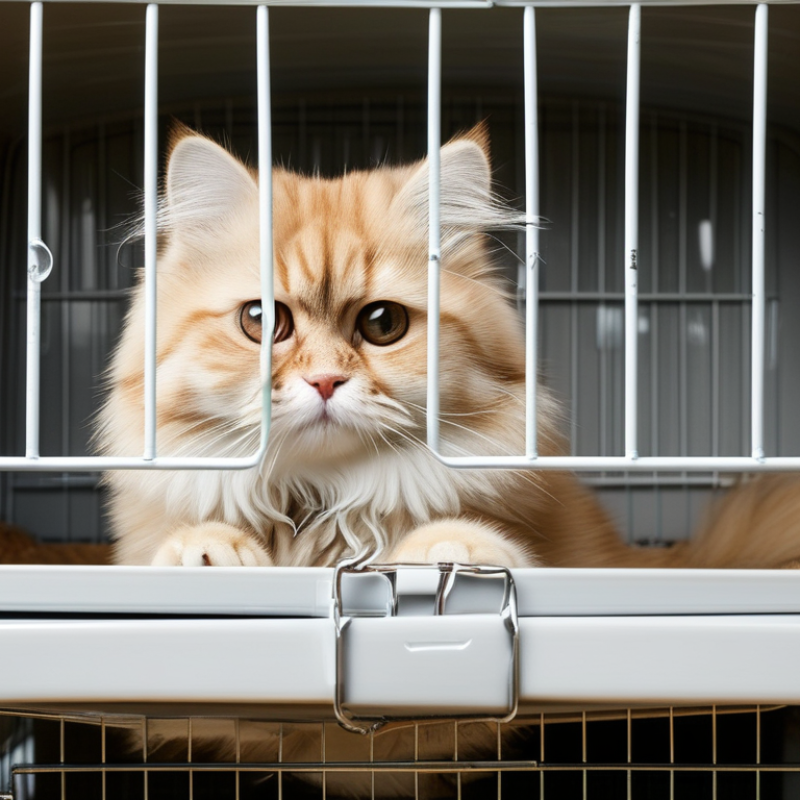
Top 10 Reasons Why is My Pet Anxious in a New Cage?

Understanding Pet Anxiety in New Environments

Moving to a new cage can be stressful for pets. This change in their environment may evoke anxiety. Pets thrive on familiarity, and a new space can feel threatening. Common signs of anxiety include excessive barking, hiding, or loss of appetite. Understanding these behaviors is crucial for pet owners.

Creating a comfortable space can help ease their anxiety. Start by adding familiar items like toys or blankets. This can provide a sense of security. Introduce them to the new cage gradually. Allow your pet to explore at their own pace. Encourage them with gentle words and treats.

Be patient as your pet adjusts. Changes take time, and every animal responds differently. Monitor their behavior for signs of distress. If anxiety persists, consult a veterinarian. They can provide insights and potential solutions. Building a routine can also help. Consistency can create a sense of normalcy for your furry friend.

Common Signs of Anxiety in Pets When Changing Cages

When pets are introduced to a new cage, anxiety can manifest in various ways. Common signs include excessive barking, whining, or clawing at the cage. You might notice your pet pacing back and forth. These behaviors indicate discomfort and unease. Often, pets may refuse to eat or drink, leading to health concerns over time. It's essential to observe these signs closely.

Body language also reveals anxiety. A pet may exhibit flattened ears, tucked tails, or wide eyes. These non-verbal cues are critical indicators of stress. Some pets may hide or seek dark, confined spaces, indicating they feel threatened. It's important to provide a calm environment to ease their transition. Gradually introducing the cage can help those anxious feelings lessen over time.

Ensure the new cage feels familiar to your pet. Adding their favorite blanket or toy can create a sense of security. Yet, it’s vital to recognize that each pet’s reaction varies. What calms one may not work for another. Always be prepared for moments of struggle. Patience and understanding are key in helping your pet adjust.

Top 10 Reasons Why is My Pet Anxious in a New Cage?

This chart represents the common reasons why pets experience anxiety when transitioning to a new cage. Understanding these factors can help pet owners make the adjustment period smoother for their furry friends.

Factors Contributing to a Pet's Stress in a New Cage

Moving your pet to a new cage can be stressful for them. Various factors contribute to this anxiety. One major factor is the sudden change in environment. Pets thrive on familiarity. A new cage lacks the scents and sights they are accustomed to. This disorientation can increase their stress levels.

Another contributing factor is the size and structure of the new cage. Research shows that a cramped space can lead to feelings of insecurity in pets. A study indicates that pets in spacious enclosures exhibit 30% less stress behavior than those in confined spaces. The materials in the cage may also affect their comfort. Sharp edges or abrasive surfaces can make pets feel threatened. It's essential to ensure that the new cage provides a safe and welcoming atmosphere.

Social factors also play a role. Pets are often influenced by their owners' emotions. If pet owners are anxious during the move, pets may pick up on these feelings. According to a survey by the American Kennel Club, 70% of pet owners reported that their pets displayed signs of anxiety during stressful transitions. Recognizing these factors can help in creating a smoother transition for your pet into a new cage.

Tips for Reducing Anxiety in Pets During Adjustment Periods

When pets transition to a new cage, anxiety can arise. They may feel insecure and fearful. Familiarizing them with the new environment is crucial for their comfort.

One effective method is to create a safe space within the cage. Add soft bedding and familiar toys. These items can provide a sense of security. Spend time near the cage, allowing them to acclimate. Positive reinforcement, like treats, can encourage exploration.

Another helpful tip is to minimize loud noises. Loud sounds can heighten their anxiety. Keep the cage in a quiet area initially. Gradually introduce them to more social spaces. This slow approach can help build their confidence. Lastly, monitor their behavior for signs of distress. Recognizing their discomfort allows you to tailor your support effectively. Providing reassurance is key during this adjustment period.

The Role of Familiarity and Comfort in Easing Pet Anxiety

Moving pets to a new cage can be stressful. A familiar environment often provides comfort. It’s vital to create a space where your pet feels safe. This can include using the same bedding or toys from their previous cage. The scent of familiar items can soothe anxious animals. Your pet may have an emotional attachment to their old space. Over time, this can manifest as anxiety when placed in a new setting.

Moreover, introducing the new cage gradually can alleviate stress. Allow your pet to explore at their own pace. You can place the new cage in a familiar spot. This helps to associate the new environment with positive experiences. Providing treats and gentle encouragement can also help ease the transition. Take note of your pet’s behaviors. They will show signs of anxiety or comfort through actions. This feedback is crucial for understanding their needs during this adjustment.

FAQS

: What signs indicate a pet is anxious in a new environment?

: Common signs include excessive barking, hiding, and loss of appetite.

How can I make my pet feel more comfortable in a new cage?

Add familiar items like toys or blankets to create a sense of security.

Why do pets become anxious when moving to a new cage?

Pets thrive on familiarity, and a sudden change can feel threatening to them.

How should I introduce a new cage to my pet?

Introduce the new cage gradually and let them explore at their own pace.

What should I do if my pet's anxiety continues?

If anxiety persists, consult a veterinarian for insights and potential solutions.

How can I help my pet adjust to a new environment?

Building a routine can create consistency, fostering a sense of normalcy.

Can the size of the new cage affect my pet's stress levels?

Yes, cramped spaces can increase feelings of insecurity, leading to stress.

How do my emotions impact my pet's anxiety?

Pets often sense their owner's emotions; anxiety from the owner can affect them.

What role do familiar scents play in easing pet anxiety?

Familiar scents from old bedding or toys can provide comfort and soothe anxious pets.

What should I monitor during my pet's adjustment period?

Pay attention to their behavior for signs of distress or comfort during the transition.

Conclusion

Many pet owners often wonder, "why is my pet anxious in a new cage?" Understanding pet anxiety in new environments is crucial for providing a comfortable transition for our furry friends. Common signs of anxiety include excessive barking or meowing, hiding, or aggressive behavior as pets adjust to their new surroundings. Factors contributing to this stress can range from unfamiliar smells and sounds to the absence of their previous comforting items.

To help reduce anxiety during adjustment periods, it's important to create a calming environment that incorporates familiar items and scents. Gradually introducing pets to the new cage and providing positive reinforcement can help ease their fears. Familiarity and comfort play significant roles in alleviating anxiety, making it vital for pet owners to be attentive and patient as their pets adapt to these changes. By addressing these aspects, you can help your pet feel more secure and less anxious in their new home.

Liam

Liam

Liam is a dedicated marketing professional with a profound expertise in the industry, where he excels at highlighting the unique advantages of our core products. With a keen understanding of market trends and consumer needs, Liam frequently updates our company’s professional blog, providing......