Why Does My Dog Hate Staying in a Cage Answered

Time:2026-07-03 Author:Oliver
0%

Understanding why dogs may dislike being confined is crucial for pet owners. Many dogs experience anxiety in cages. According to a 2021 veterinary study, around 30% of dogs show signs of distress when crated. This can manifest as barking or pacing. It’s essential to recognize that every dog is unique. Factors such as past experiences can influence their behavior.

When we ask, "why does my dog hate staying in a cage," we tap into deeper feelings. Dogs are social animals that crave companionship and freedom. Being confined can trigger feelings of isolation. A 2019 report from the American Veterinary Society of Animal Behavior emphasizes the importance of crate training. Proper training can ease anxiety and help dogs feel more secure.

However, it’s not just about training techniques. Let's reflect on our dog's individual needs. Maybe they need more exercise or social interaction. Understanding these aspects could lead to a happier pet and a more harmonious household. These reflections are necessary to improve the crate experience.
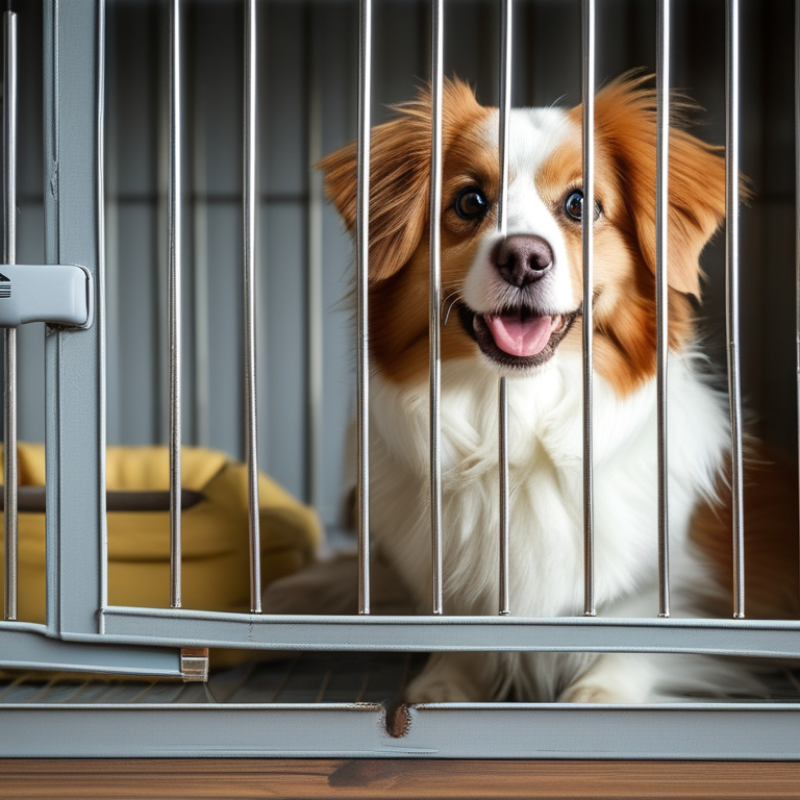
Why Does My Dog Hate Staying in a Cage Answered

Understanding Canine Behavior in Crates

Dogs naturally seek comfort and security. A crate can feel like a cage rather than a den to some dogs. Many dogs resist being confined due to fear or anxiety. They may perceive the crate as a punishment instead of a safe space.

Understanding canine behavior is crucial. Dogs are not instinctively crate-trained. Their responses vary based on past experiences and temperament. Some dogs may associate crates with isolation or abandonment. This can lead to barking, whining, or destructive behavior. They need positive reinforcement to change this perception. A gradual introduction to the crate can help.

Creating a comfortable environment in the crate is essential. Soft bedding and safe toys can make it feel cozy. Spend time with your dog near the crate, encouraging exploration. Building a positive association is key. Reflecting on their comfort can foster trust and reduce anxiety.

Common Reasons Dogs Dislike Being Caged

Many dogs dislike staying in a cage for various reasons. First, it can feel like a confinement. Dogs are social animals. They thrive on interaction and freedom. A cage might limit their movement and playtime. It can lead to anxiety. A stressed dog might bark or whine. They often communicate their discomfort this way.

Another reason is past experiences. Dogs with a history of being caged might associate it with negative feelings. This is especially true for rescue dogs. If a dog was mistreated or neglected in a cage, they may resist being confined again. This fear can linger for a long time. Owners should be aware of this.

Additionally, environmental factors play a role. A cage placed in a noisy room can increase a dog's stress. Lack of familiarity with their surroundings can also contribute. Dogs need a safe and comfortable space. To help, create a positive environment around the cage. Use treats and toys to make it a welcoming spot. Building a positive association is key. This could help ease their discomfort over time.

Signs Your Dog is Uncomfortable in Their Crate

When dogs feel uncomfortable in their crates, they often express their distress through specific behaviors. Some signs include excessive barking or whining. These vocalizations indicate that a dog is anxious and unhappy. You may also notice your dog pacing inside the crate, which suggests restlessness. Constant movement can mean they are searching for an escape.

Another clear sign of discomfort is reluctance to enter the crate. If your dog resists going in, they may associate it with negative experiences. Additionally, you might see them drooling or panting heavily while inside. These physical responses can reflect their stress levels. It's important to observe these signs closely.

While crate training can be beneficial, it is crucial to ensure your dog feels safe. A crate should never feel like a punishment. Instead, it should be a cozy retreat. Consider adjusting the crate environment with soft bedding or toys. Regularly assessing your dog’s reactions can help create a more positive experience. Building a trusting relationship may take time, but your dog’s comfort is essential.

Tips for Making Crate Time More Enjoyable

Crate training can be a challenge for many dog owners. It’s reported that only about 30% of dogs adapt well to crate life. This adjustment period varies. Some dogs feel anxious, while others may show resistance. Understanding this can help improve their experience.

Creating a positive environment is essential. Start by making the crate inviting. Use cozy bedding and favorite toys. A soft blanket can provide comfort. Consider adding treats to encourage your dog to enter willingly. When the crate becomes a safe space, anxiety will decrease.

Consistency is key. Dogs thrive on routine and predictability. Schedule crate time during soothing moments. This could be when you leave for short errands. Gradually increase the time in the crate. Monitor your dog’s behavior closely. If they seem distressed, it may be time to adjust your approach. This patience is crucial in fostering trust and comfort.

Alternatives to Crate Training for Dogs

Many dogs dislike staying in a cage due to feelings of confinement. It can create anxiety and stress, leading them to act out. To avoid this, consider alternatives to crate training that respect your dog’s natural behaviors and instincts.

One option is using a designated dog-proof area in your home. This space can be cozy and familiar, allowing your dog to feel secure. Incorporate their bed, toys, and blankets to make it inviting. Another idea is to create a comfortable pen. A pen offers more space than a crate, letting your dog move around freely.

Training methods that focus on positive reinforcement can also help. Reward your dog for being calm in new situations. Use treats and praise to build their confidence. However, it's important to remember that each dog is different. Some may take longer to adjust than others. Reflect on your dog's unique needs and strive for an environment that promotes comfort and trust.

Why Does My Dog Hate Staying in a Cage - Alternatives to Crate Training for Dogs

Alternative Method Description Benefits
Dog Playpen An enclosed area allowing your dog to move freely while still being safe. Provides space to play and explore, reducing feelings of confinement.
Dog Gate A barrier that restricts access to certain areas of the house. Allows freedom in a safe environment; keeps dogs away from hazards.
Training Mats Specialized mats designated for training or resting, promoting positive behavior. Encourages positive habits, lowers anxiety through familiar space.
Interactive Toys Toys that engage dogs mentally and physically, keeping them occupied. Reduces boredom, increases mental stimulation, can help with anxiety.
Outdoor Kennel A safe outdoor space for dogs to enjoy fresh air and exercise. Allows outdoor time without risking escape, encourages physical activity.

FAQS

: Why do some dogs dislike crates?

: Many dogs view crates as confinement. They may feel anxious or restricted, leading to barking or whining.

Can past experiences affect a dog’s view of crates?

Yes, dogs with negative experiences may associate crates with isolation or punishment, increasing their anxiety.

What can make a crate feel more comfortable for a dog?

Soft bedding and safe toys can make it cozier. Spending time near the crate helps encourage exploration.

How can I introduce my dog to a crate positively?

Gradual introductions with treats can create a positive association. Reflect on their comfort to build trust.

Are there alternatives to crate training?

Yes, a dog-proof area in your home can provide a safe space. A pen offers more room for movement.

How can environmental factors impact a dog’s comfort in a crate?

A noisy area can increase stress. Make sure the crate is in a calm, familiar location to ease anxiety.

What training methods can help anxious dogs?

Positive reinforcement techniques, like rewards for calmness, can help ease anxiety over time. Each dog is different.

Should I consider my dog’s individual needs during training?

Absolutely. Every dog has unique behaviors and histories. Reflecting on their comfort is crucial for effective training.

How important is interaction for a dog's comfort?

Very important. Dogs are social animals and thrive on interaction. Limiting their movement can cause stress.

Conclusion

When considering "why does my dog hate staying in a cage," it's essential to understand canine behavior in crates. Many dogs may dislike being confined due to feelings of anxiety, claustrophobia, or past negative experiences. Common reasons include inadequate training, a lack of positive associations, or discomfort in the crate environment. Signs your dog is uncomfortable may manifest through barking, whining, or a refusal to enter the crate.

To make crate time more enjoyable, owners can create a welcoming environment by adding familiar bedding, toys, and ensuring the crate is well-ventilated. Gradually acclimating your dog to the crate with positive reinforcement can also help. For those seeking alternatives to crate training, options such as playpens or dog-proofed rooms may provide a more comfortable solution for your pet while still keeping them safe. Understanding these dynamics can significantly improve your dog's experience and address concerns related to the common question: why does my dog hate staying in a cage?

Oliver

Oliver

Oliver is a seasoned marketing professional with a wealth of expertise in driving brand awareness and engagement. With a deep understanding of our company's product offerings, he consistently delivers high-quality content that enriches our professional blog. His insights not only shed light on......