Brisk Pet
1 / 5
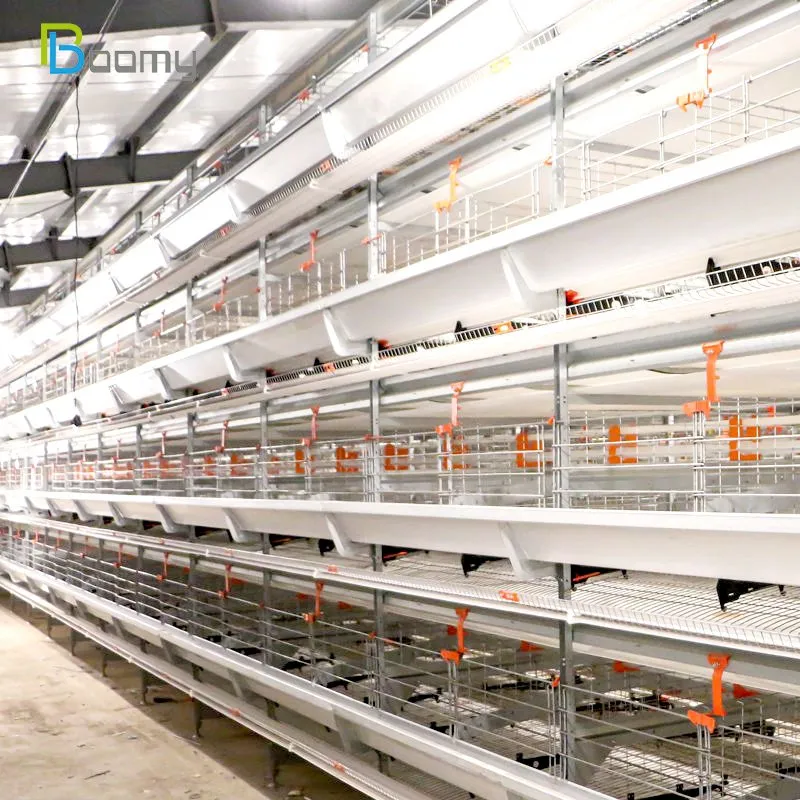
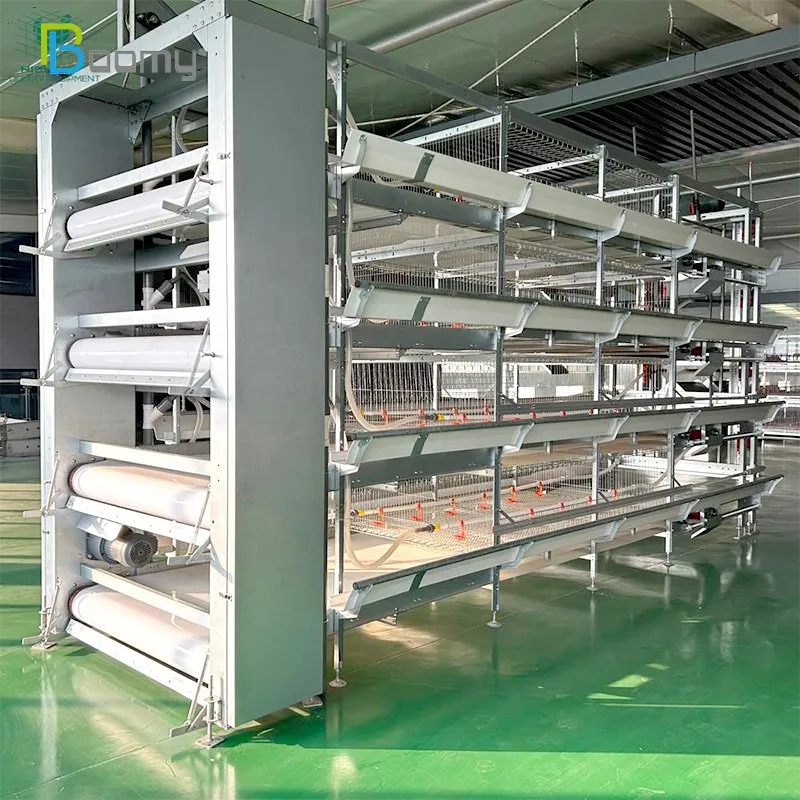
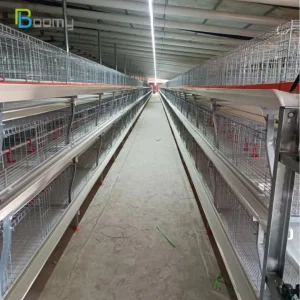
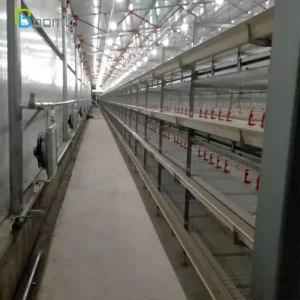
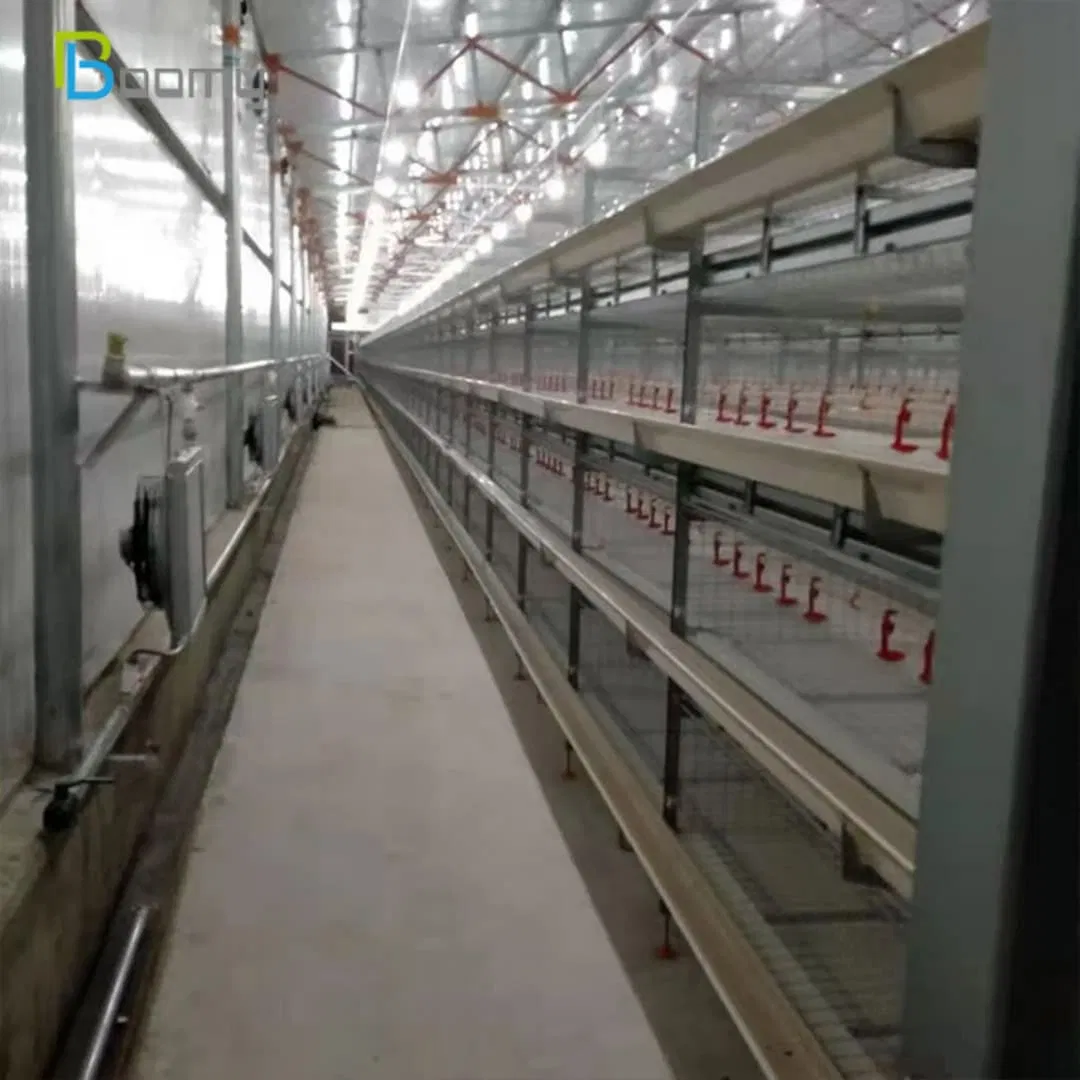
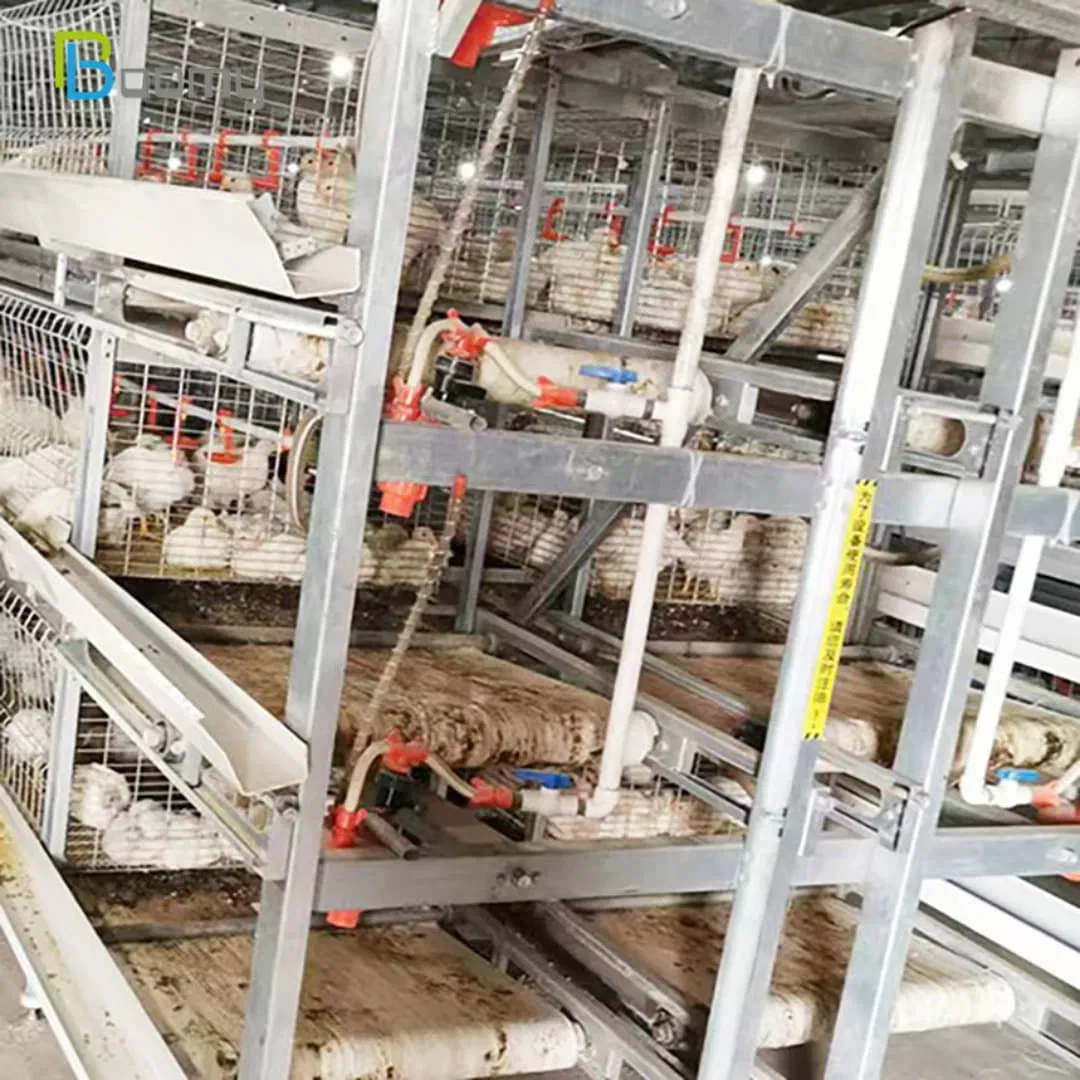
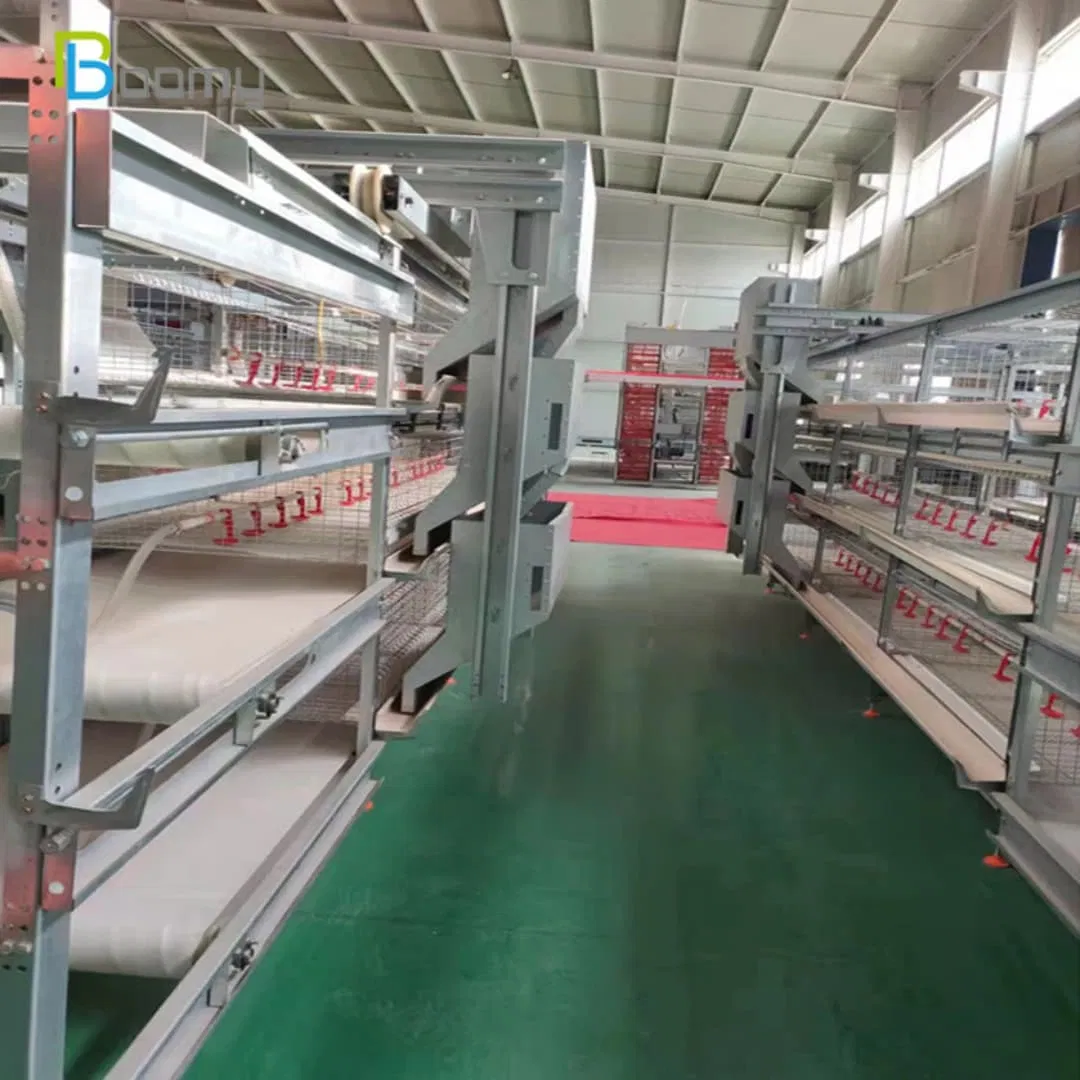
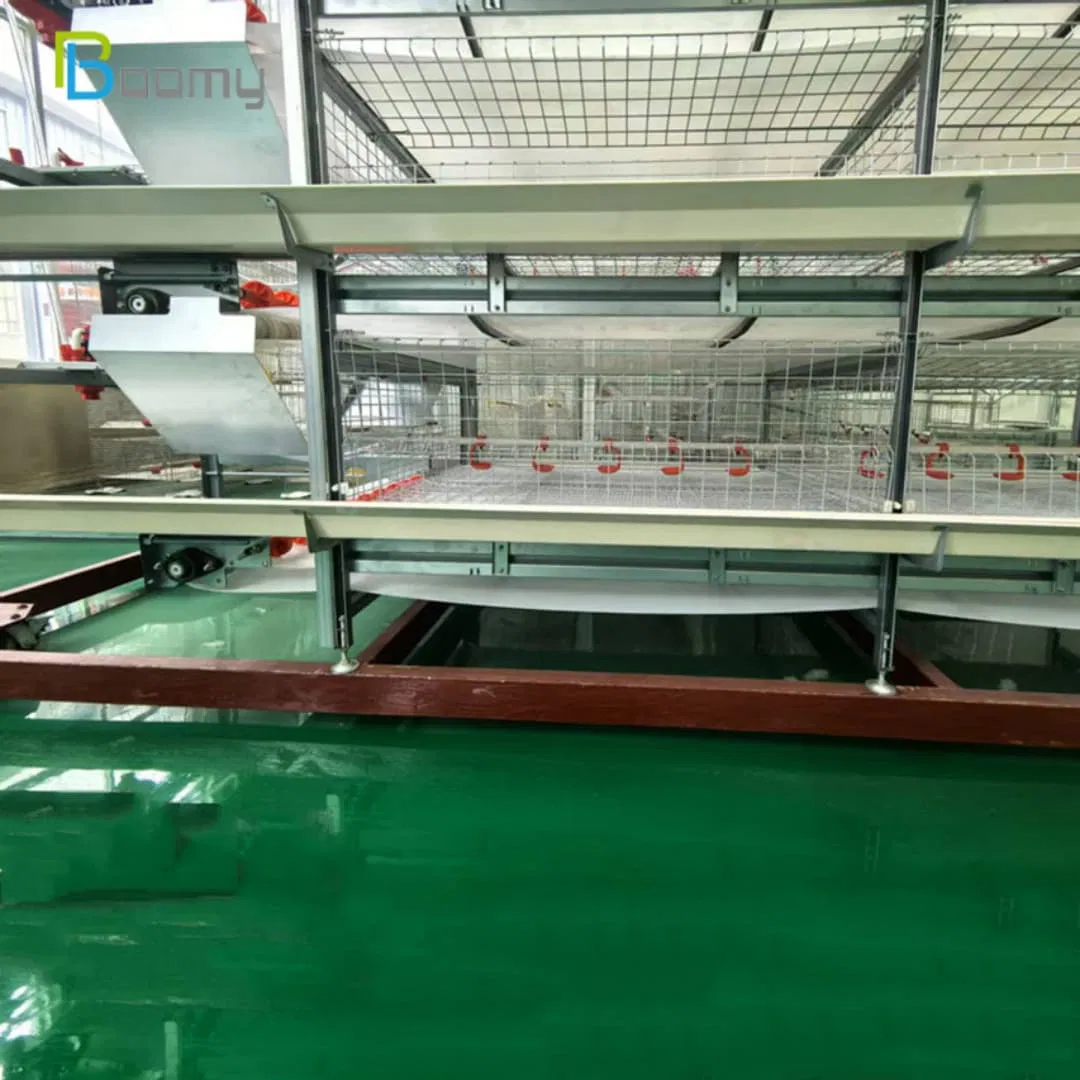
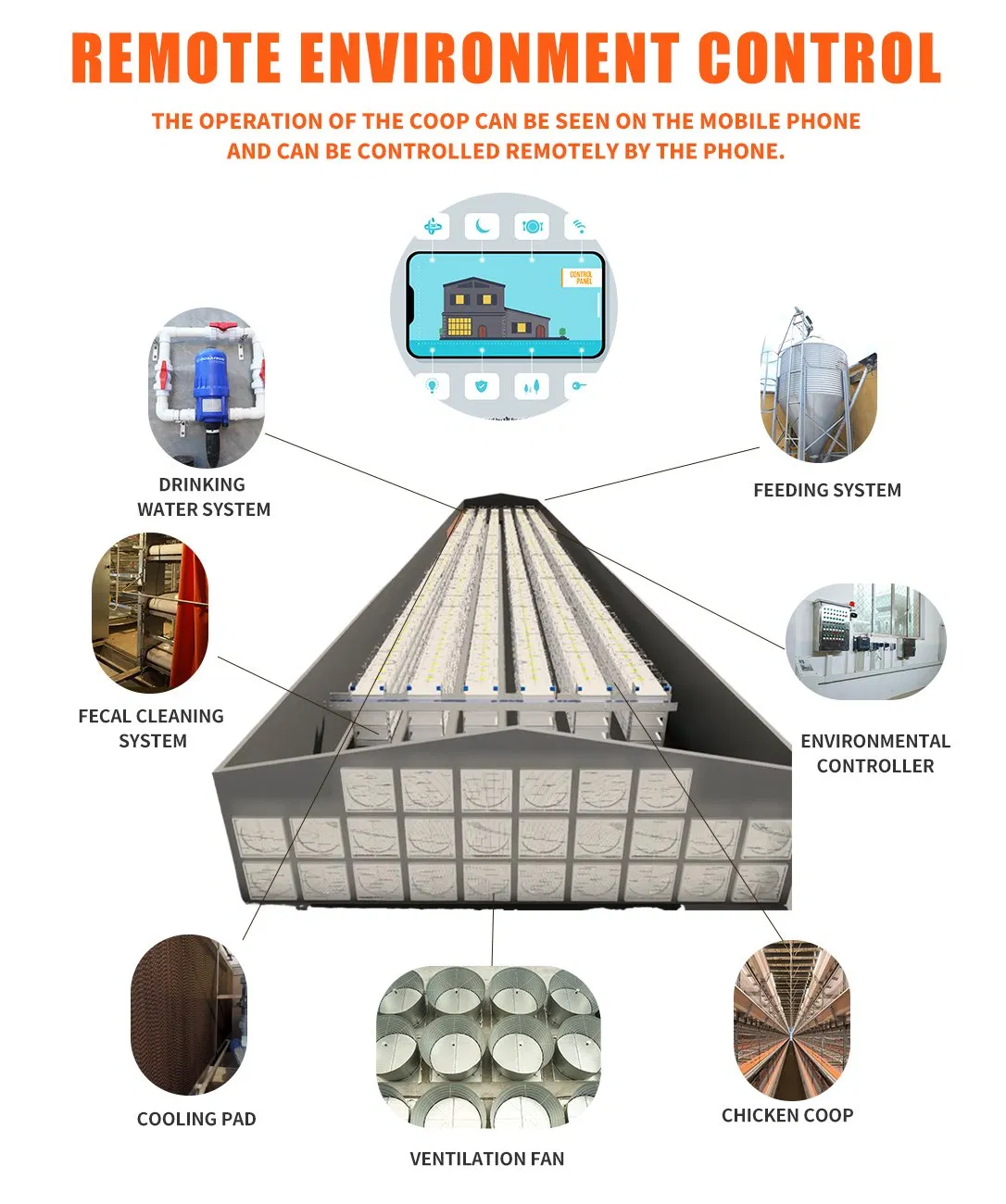
The Broiler Chicken Cage System is specifically designed for modern intensive poultry farming, focusing on rapid growth cycles, high-density stocking, and efficient production management. It integrates a robust structural framework with automated farming solutions to enhance growth performance, reduce labor input, and ensure a clean and controlled rearing environment. The system is widely applied in medium and large-scale broiler farms aiming for high output and cost-effective operation.
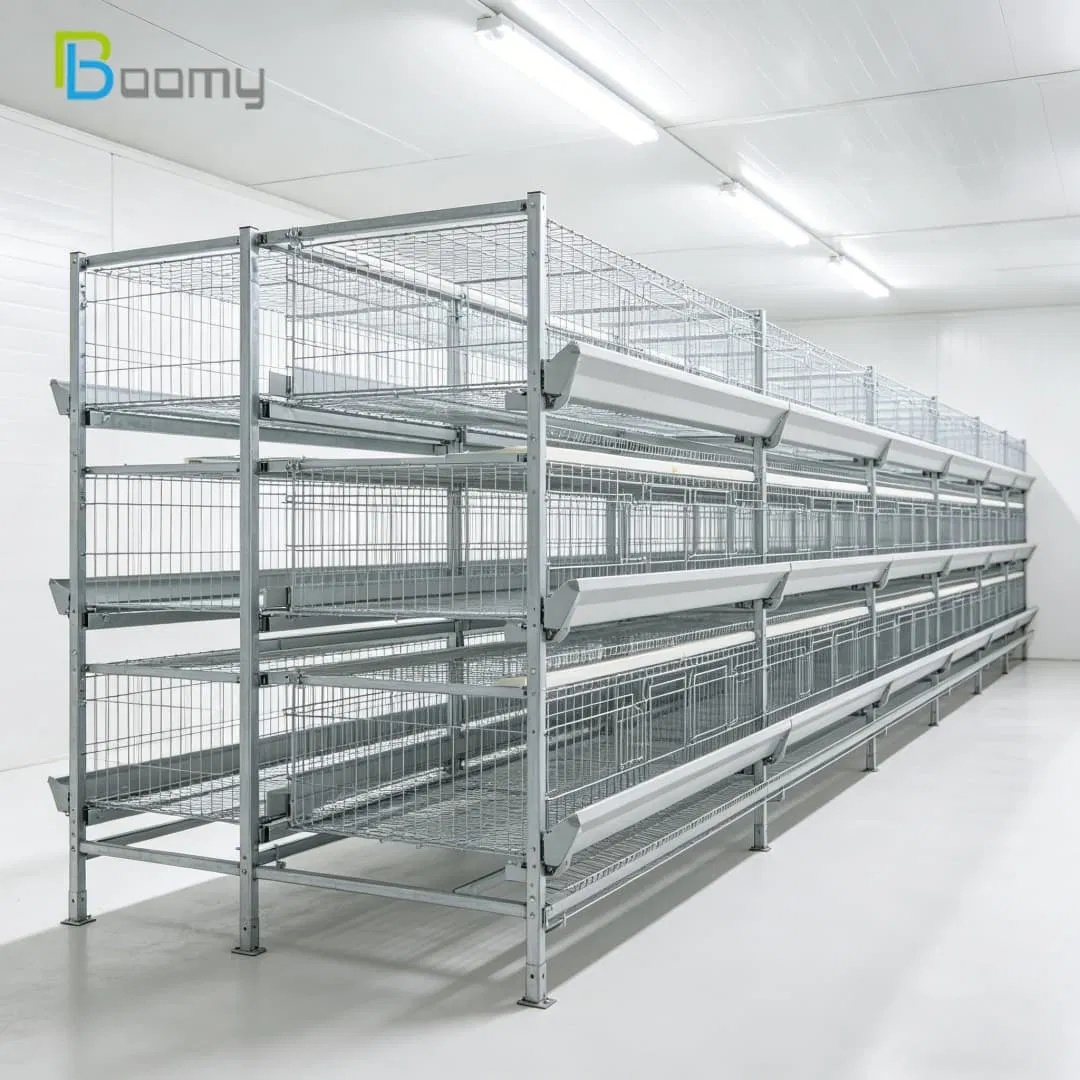
The entire system adopts hot-dip galvanizing technology, providing excellent corrosion resistance and ensuring a service life of over 20 years under high humidity and ammonia exposure conditions.
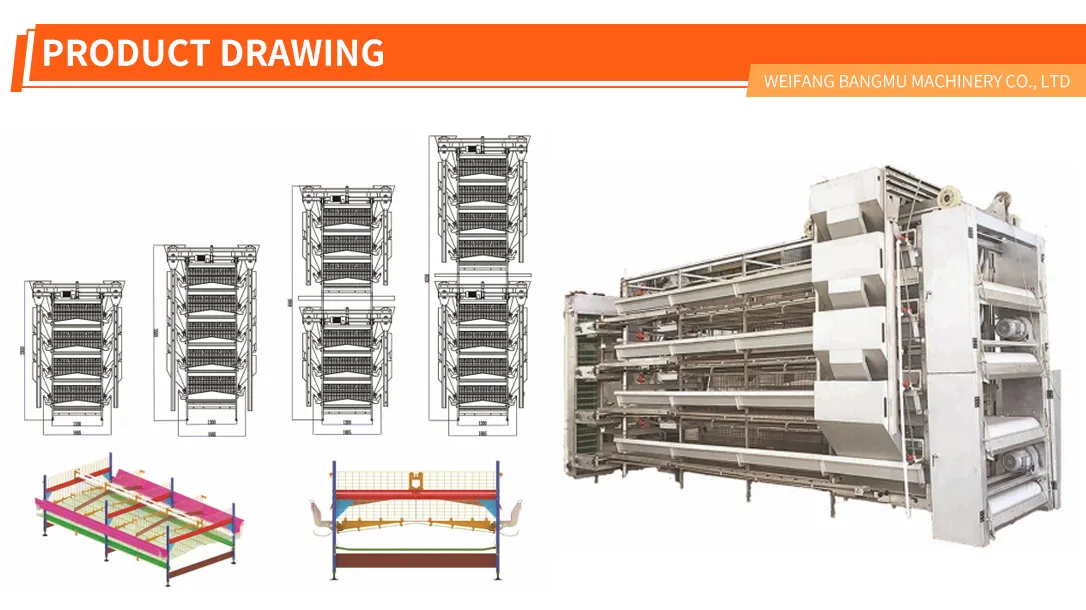
The cage structure is engineered with high-strength steel wire and reinforced framing, ensuring strong load-bearing capacity suitable for high-density broiler rearing. The cage floor is designed with optimized mesh spacing to support broiler weight, reduce footpad lesions, and improve animal welfare during rapid growth stages.
A scientifically designed cage layout allows for efficient space utilization while maintaining proper airflow. The multi-tier structure maximizes vertical space, significantly increasing stocking capacity compared to traditional floor systems. The optimized spacing between tiers, combined with an open ventilation design, enhances air circulation and light distribution inside the poultry house, helping to reduce heat stress and respiratory disease risks.
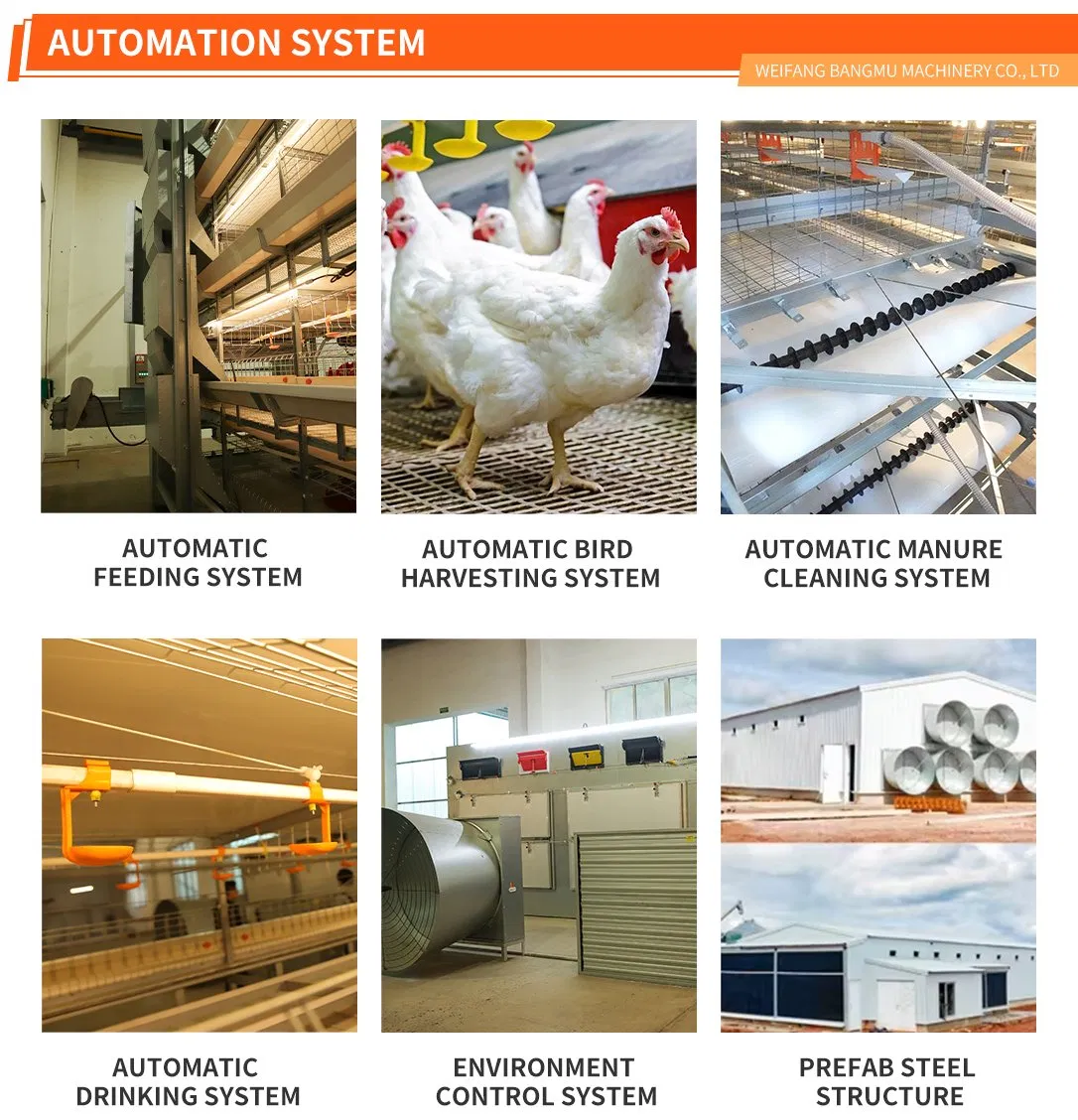
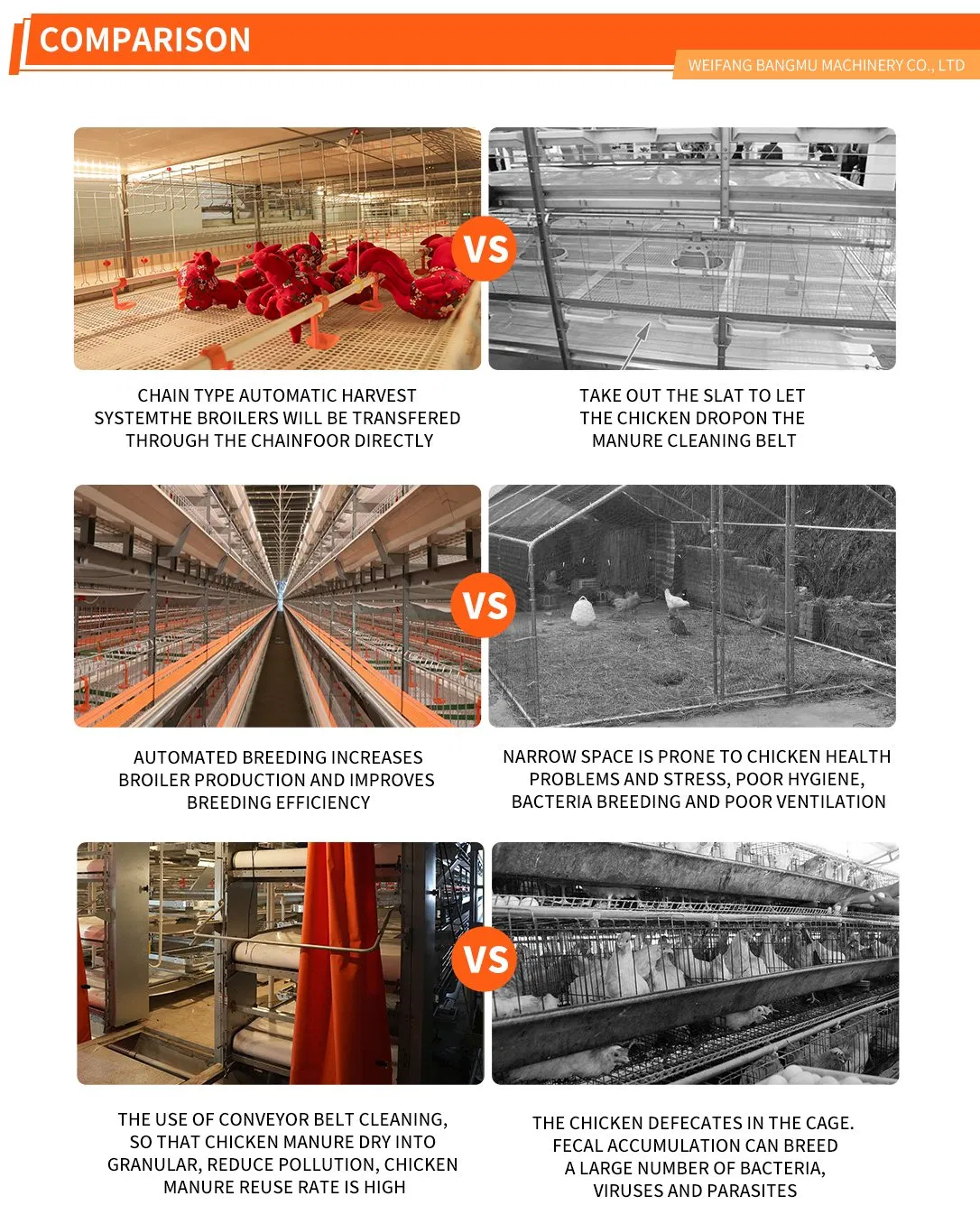
The system supports integration with various automated components to improve operational efficiency and production consistency. The manure removal system effectively prevents manure accumulation and fermentation, significantly reducing ammonia levels and improving overall air quality.
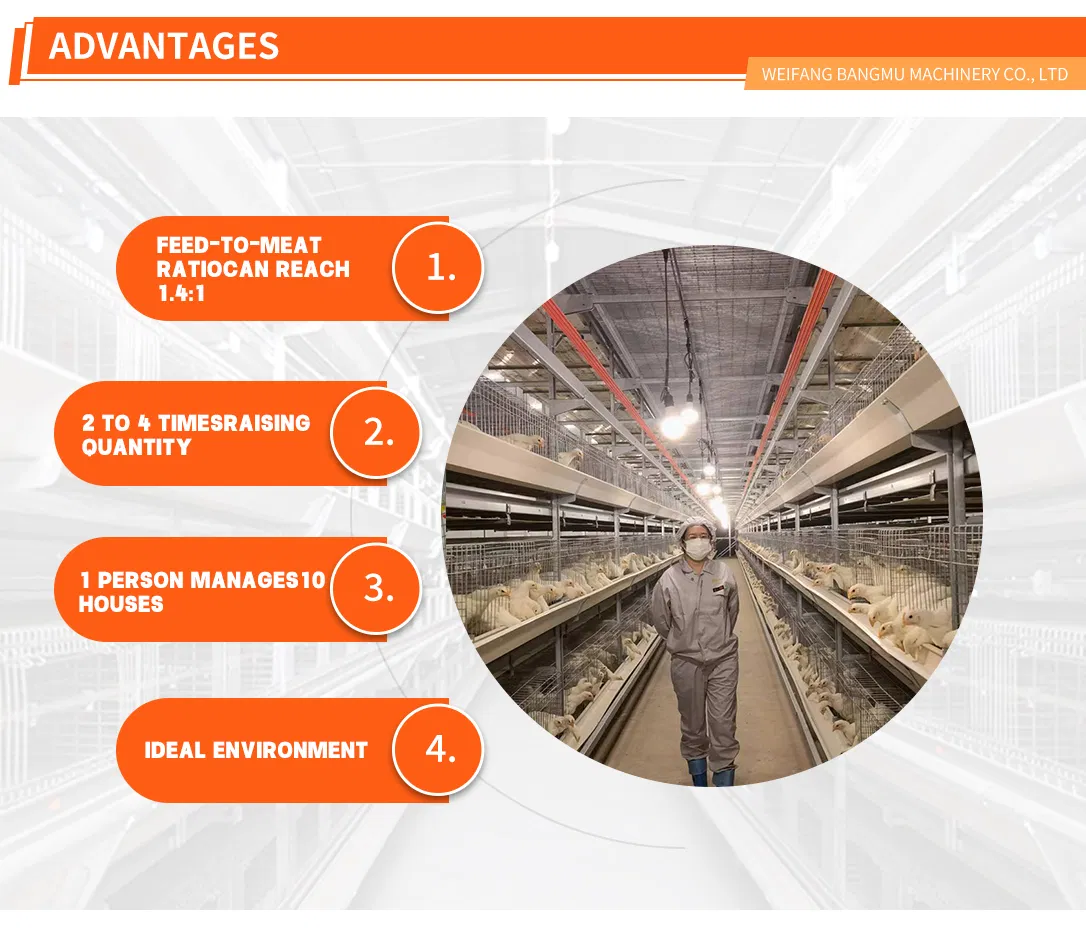
The system is highly suitable for medium and large-scale broiler farms, intensive poultry production projects, integrated poultry farming operations, and commercial meat production facilities. It represents a cost-efficient investment option for operations targeting fast return cycles and large-scale production with strictly controlled operational costs.
Developed based on the core principles of high efficiency, structural durability, intelligent management, and energy-saving operation. Through optimized cage engineering and optional automation integration, it enables standardized and centralized poultry production. By improving environmental control, manure management, and feeding efficiency, the system creates optimal growth conditions for broilers, helping farmers achieve faster production cycles, higher survival rates, and improved economic returns.
| Cage | Cage Size (L*W*H) | Birds/Cell | Cells/Set | Tiers | Capacity/Set | Density/Birds |
|---|---|---|---|---|---|---|
| Broiler Chicken Cage | 1200*1200*700mm |
8 |
12 |
3 |
96 |
450cm² |
1200*1200*700mm |
8 |
16 |
4 |
128 |
450cm² |
|
1200*1200*700mm |
8 |
20 |
5 |
160 |
450cm² |
|
1200*1200*700mm |
8 |
24 |
6 |
192 |
450cm² |
|
1200*1200*700mm |
8 |
28 |
7 |
224 |
450cm² |
|
1200*1200*700mm |
8 |
32 |
8 |
256 |
450cm² |
|
1800*1200*700mm |
6 |
24 |
3 |
144 |
450cm² |
|
1800*1200*700mm |
6 |
32 |
4 |
192 |
450cm² |
|
1800*1200*700mm |
6 |
40 |
5 |
240 |
450cm² |
| Item | Specification |
|---|---|
| Product Name | Broiler Chicken Cage System |
| Cage Type | A-Type / H-Type (Customizable) |
| Material | Q235 Steel Wire |
| Surface Treatment | Hot-Dip Galvanizing |
| Service Life | ≥ 20 Years |
| Tier Options | 3 Tiers / 4 Tiers / 5 Tiers |
| Cage Capacity | 90 – 160 Birds per Unit (depending on design) |
| Stocking Density | Up to 62 Birds / m² |
| Cage Size (per unit) | Customized (Typical: 1950mm × 350mm × 380mm) |
| Wire Diameter | 2.5mm – 4.0mm |
| Floor Slope | 7° – 9° |
| Feeding System | Automatic / Manual Optional |
| Drinking System | Nipple Drinking System |
| Egg Collection | Manual / Automatic Optional |
| Manure Removal | Manure Belt System |
| Ventilation | Natural / Mechanical Ventilation Compatible |
| Installation Type | Floor Mounted / Frame Installed |
| Suitable Farm Scale | Small to large farms |
| Automation Level | Semi-Automatic / Fully Automatic Optional |
| Maintenance | Easy Cleaning and Low Maintenance |
| Customization | Size / Tier / Capacity / System Configuration |